
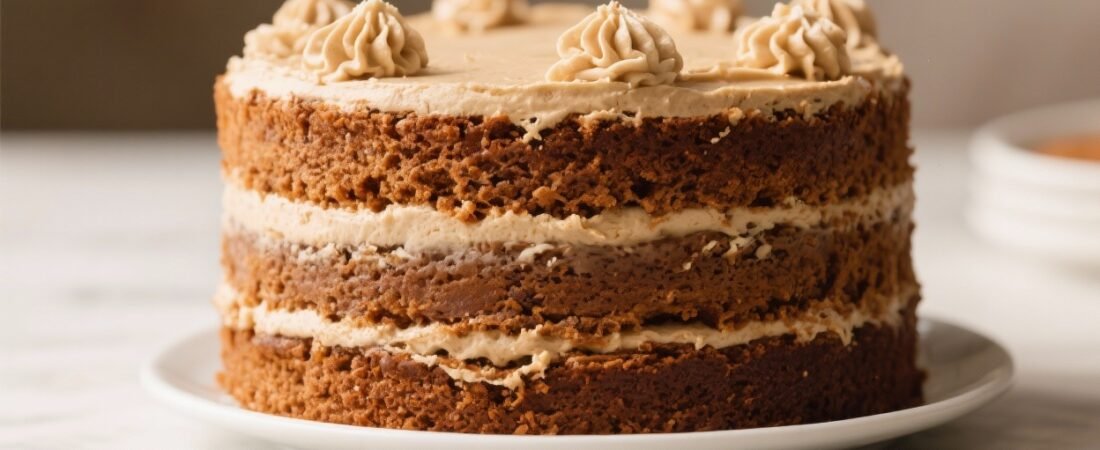
Gingerbread isn’t just for cookies. This classic gingerbread layer cake brings all those warm, nostalgic spices into a soft, tender cake with a deep molasses flavor. It’s the kind of dessert that feels like a hug—simple to make, beautiful to slice, and even better the next day.
Pair it with tangy cream cheese frosting, and you get that perfect balance of sweet and spiced. Whether it’s a holiday dinner or a Sunday treat, this cake fits right in.
What Makes This Special
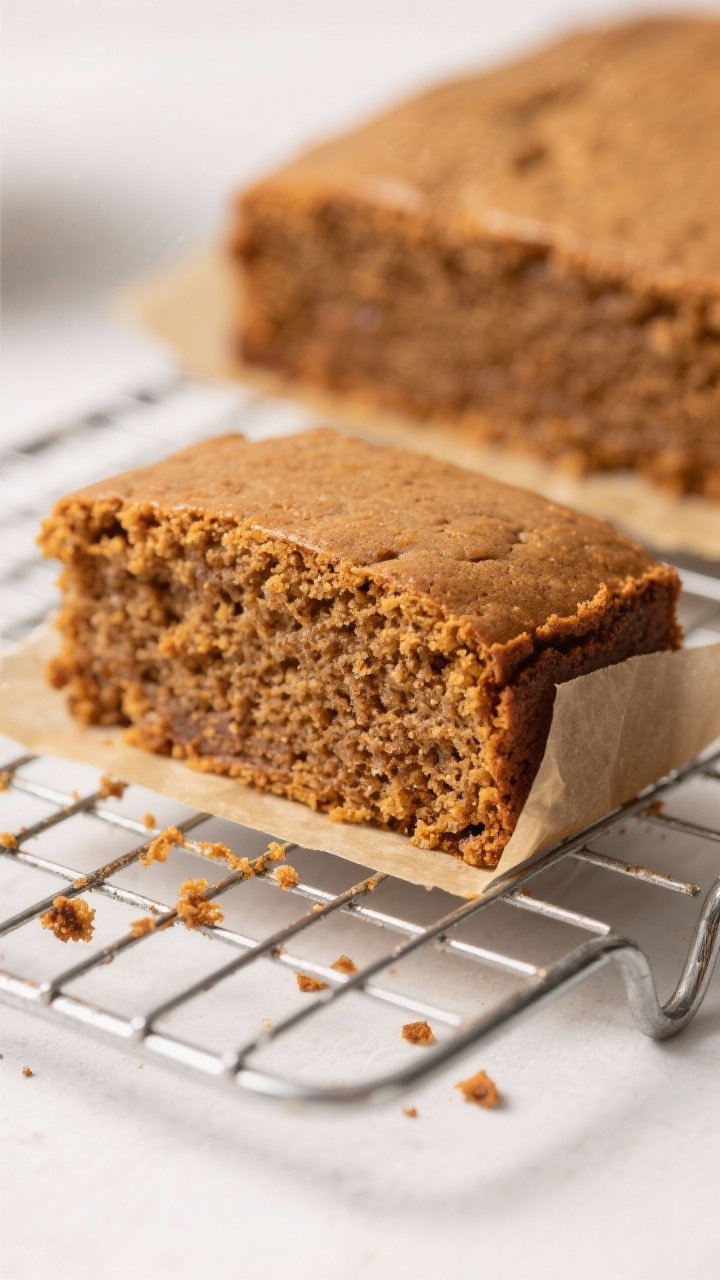
This cake is all about texture and flavor. The molasses adds a rich, caramel depth, while ginger, cinnamon, nutmeg, and cloves bring that signature gingerbread warmth.
Buttermilk keeps the crumb moist and tender. A fluffy cream cheese frosting adds a cool contrast that cuts through the spices just right. It’s a crowd-pleaser that slices cleanly and looks stunning as a layered centerpiece.
Ingredients
- For the Cake:
- 2 1/2 cups (315 g) all-purpose flour
- 1 1/2 teaspoons baking soda
- 1 teaspoon baking powder
- 1/2 teaspoon fine sea salt
- 2 teaspoons ground ginger
- 1 1/2 teaspoons ground cinnamon
- 1/2 teaspoon ground nutmeg
- 1/4 teaspoon ground cloves
- 3/4 cup (170 g) unsalted butter, softened
- 1 cup (200 g) packed dark brown sugar
- 2 large eggs, room temperature
- 1 cup (240 ml) unsulfured molasses
- 1 cup (240 ml) buttermilk, room temperature
- 1 teaspoon vanilla extract
- For the Cream Cheese Frosting:
- 8 ounces (225 g) cream cheese, softened
- 1/2 cup (115 g) unsalted butter, softened
- 3–3 1/2 cups (360–420 g) powdered sugar, sifted
- 1 teaspoon vanilla extract
- Pinch of fine sea salt
- Optional Garnishes:
- Crystallized ginger, finely chopped
- Ground cinnamon or nutmeg, for dusting
- Fresh orange zest
Instructions
- Prep the pans and oven. Heat the oven to 350°F (175°C).
Grease and line two 8-inch round cake pans with parchment. Lightly flour the sides to prevent sticking.
- Whisk the dry ingredients. In a medium bowl, whisk the flour, baking soda, baking powder, salt, ginger, cinnamon, nutmeg, and cloves. Set aside.
- Cream the butter and sugar. In a large bowl, beat the butter and brown sugar together until light and fluffy, about 2–3 minutes.
Scrape down the bowl.
- Add eggs and molasses. Beat in the eggs one at a time. Mix in the molasses and vanilla. The batter may look slightly curdled—this is normal.
- Alternate dry ingredients and buttermilk. Add one-third of the dry mixture, then half the buttermilk, and repeat, ending with the dry mixture.
Mix on low just until combined. Do not overmix.
- Divide and bake. Split the batter evenly between the two pans and smooth the tops. Bake for 25–30 minutes, or until a toothpick comes out clean with a few moist crumbs.
- Cool completely. Let the cakes rest in the pans for 10 minutes, then turn out onto a wire rack. Remove parchment and cool fully before frosting.
- Make the frosting. Beat the cream cheese and butter until smooth and creamy.
Add powdered sugar gradually, then vanilla and a pinch of salt. Beat until fluffy, 1–2 minutes. Adjust sweetness to taste.
- Assemble the cake. Place one cake layer on a serving plate.
Spread a generous layer of frosting over the top. Add the second layer and frost the top and sides. For a rustic look, keep it semi-naked; for a cleaner finish, chill briefly and apply a final coat.
- Garnish and serve. Sprinkle with chopped crystallized ginger, a light dusting of cinnamon, or a little orange zest.
Slice and enjoy.
Keeping It Fresh
This cake stays moist and flavorful for days. If frosted with cream cheese frosting, refrigerate the cake covered for up to 4 days. Let slices sit at room temperature for 20–30 minutes before serving for the best texture.
Unfrosted layers can be wrapped tightly and frozen for up to 2 months. Thaw in the fridge overnight, then bring to room temperature before frosting.
Benefits of This Recipe
- Balanced flavor: The molasses, warm spices, and tangy frosting complement each other beautifully.
- Reliable texture: Buttermilk, proper leavening, and a gentle mix create a soft, tender crumb.
- Make-ahead friendly: The flavor actually deepens by day two, making it ideal for entertaining.
- Flexible presentation: Dress it up for holidays or keep it simple for weeknight dessert.
- Simple ingredients: Pantry staples with just a few special touches.
Pitfalls to Watch Out For
- Overbaking: Gingerbread can dry out if left too long. Start checking at 24 minutes.
- Cold ingredients: Cold eggs or buttermilk can cause a dense crumb.
Bring them to room temp first.
- Overmixing: Once the flour goes in, mix only until combined to avoid a tough cake.
- Too much molasses: Subbing different types or adding extra can weigh down the cake. Stick to unsulfured molasses, not blackstrap.
- Warm layers when frosting: Frosting will slide off if the cakes aren’t fully cooled.
Recipe Variations
- Orange Cream Cheese Frosting: Add 1 tablespoon fresh orange zest and 1–2 tablespoons orange juice to the frosting.
- Maple Twist: Replace 1/4 cup of powdered sugar with pure maple syrup, then beat to thicken.
- Lemon Glaze: Skip the frosting and drizzle with a simple lemon glaze (powdered sugar + lemon juice) for a lighter finish.
- Chocolate Gingerbread: Whisk 2 tablespoons unsweetened cocoa powder into the dry ingredients for a deeper, mocha-like note.
- Apple or Pear Filling: Add a thin layer of spiced sautéed apples or pears between the layers for extra moisture and flavor.
- Cupcake Version: Bake in lined muffin tins at 350°F (175°C) for 18–20 minutes. Yields about 18–20 cupcakes.
- Gluten-Free: Use a 1:1 gluten-free flour blend with xanthan gum.
Mix gently and expect a slightly more delicate crumb.
Can I make this cake ahead of time?
Yes. Bake the layers up to two days in advance, wrap them tightly, and keep at room temperature, or freeze for longer storage. Frost the day you plan to serve for the freshest finish.
What kind of molasses should I use?
Use unsulfured molasses for classic flavor and reliable texture.
Avoid blackstrap molasses—it’s more bitter and can make the cake dense.
Can I substitute the buttermilk?
If you don’t have buttermilk, use 1 cup milk mixed with 1 tablespoon white vinegar or lemon juice. Let it sit for 5 minutes, then use as directed.
How do I get flat, even layers?
Weigh the batter to divide it evenly, smooth the tops, and bake on the center rack. You can also use cake strips around the pans to reduce domed tops.
Is the cream cheese frosting stable for warm rooms?
Cream cheese frosting softens quickly in heat.
If serving outdoors or in a warm space, chill the frosted cake for at least 30 minutes and keep it cool until serving.
Can I make it dairy-free?
Yes. Use a neutral oil or dairy-free butter in the cake, a plant-based milk mixed with vinegar for buttermilk, and a vegan cream cheese and butter for the frosting. Flavor will be slightly different, but still delicious.
Final Thoughts
A classic gingerbread layer cake brings timeless comfort to the table without a lot of fuss.
With a tender crumb, bold spice, and cool cream cheese frosting, it feels special yet familiar. Bake it for holidays, birthdays, or any cozy get-together. It’s the kind of cake people remember—and ask for again.
Printable Recipe Card
Want just the essential recipe details without scrolling through the article? Get our printable recipe card with just the ingredients and instructions.