
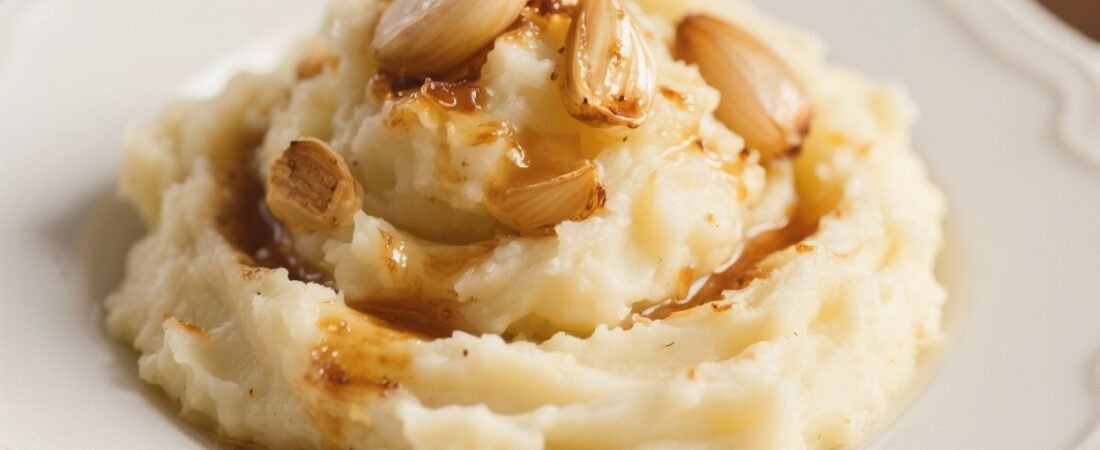
Mashed potatoes are already a classic, but brown butter and garlic take them into comfort food heaven. This version is silky, deeply flavorful, and just a little bit fancy without being fussy. You get nutty, toasty notes from the brown butter, mellow sweetness from roasted or sautéed garlic, and a creamy finish that pairs with almost anything.
Make them for a weeknight dinner or a holiday table—they never disappoint.
Why This Recipe Works
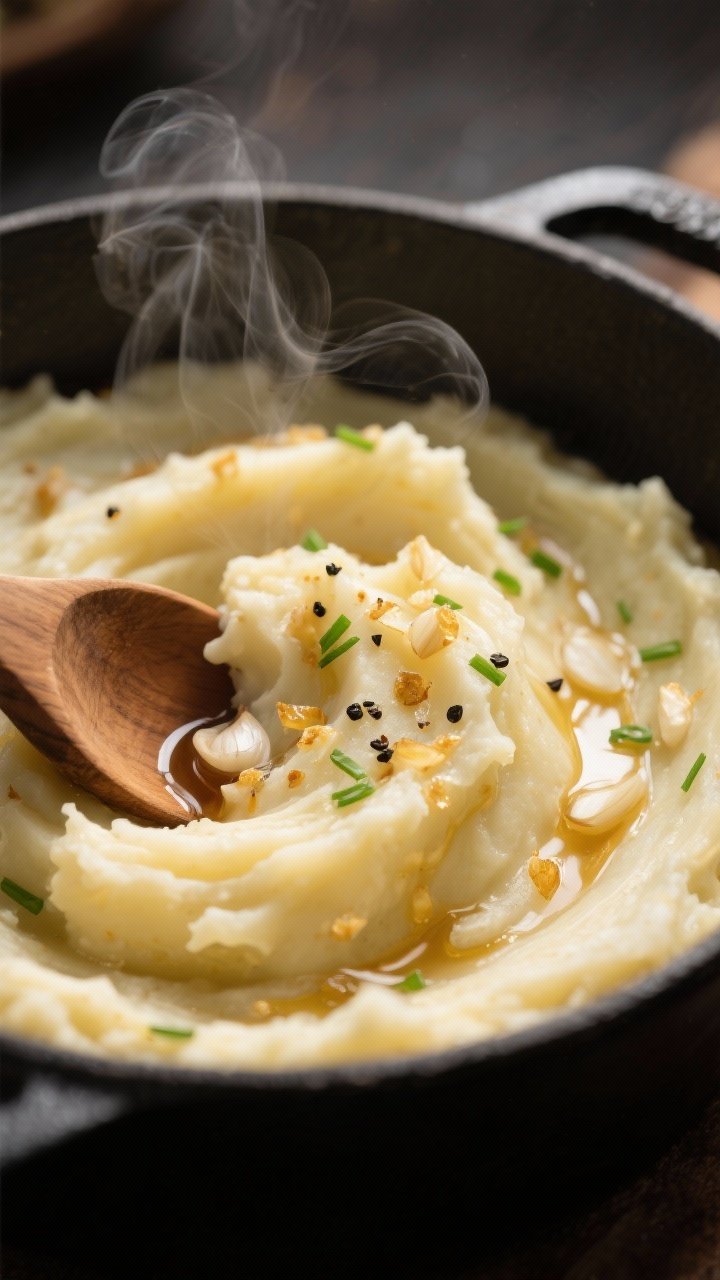
The magic starts with brown butter, which adds a rich, nutty flavor you can’t get from regular melted butter. It gives the potatoes depth and warmth without overpowering them. Garlic brings fragrance and savory charm, especially when cooked gently to soften its bite.
We also use the right potato variety and cooking method for ultra-creamy texture. Russet or Yukon Gold potatoes keep things smooth and fluffy. A bit of warm dairy helps everything blend without getting gluey. The result is a bowl of mashed potatoes that tastes like you spent hours on it—without the extra work.
Shopping List
- Potatoes: 2 pounds Russet or Yukon Gold (or a mix)
- Unsalted butter: 8 tablespoons (1 stick) for browning
- Garlic: 4–6 cloves (adjust to taste)
- Milk or half-and-half: 3/4 to 1 cup, warmed
- Heavy cream (optional): 1/4 cup for extra richness
- Salt: Kosher salt preferred
- Black pepper: Freshly ground
- Fresh chives or parsley (optional): For garnish
- Olive oil (optional): 1 teaspoon for sautéing garlic if not roasting
Step-by-Step Instructions
- Prep the potatoes: Peel the potatoes and cut them into even chunks, about 1.5 inches.
Rinse briefly to remove excess starch.
- Cook the potatoes: Add the potatoes to a large pot and cover with cold water by about an inch. Season generously with salt. Bring to a gentle boil and cook until fork-tender, 12–18 minutes.
- Brown the butter: While the potatoes cook, melt the butter in a light-colored saucepan over medium heat.
Swirl often. It will foam, then turn golden with brown specks and smell nutty. Once it’s amber with toasty bits, remove from heat so it doesn’t burn.
- Cook the garlic: Add finely minced garlic to the hot brown butter and let it sizzle off-heat for 30–60 seconds, just until fragrant.
If you prefer sweeter garlic, roast whole cloves wrapped in foil with a drizzle of oil at 400°F (200°C) for 30–35 minutes, then mash and stir into the butter.
- Warm the dairy: In a small saucepan or microwave-safe cup, warm the milk (and cream if using). Warm dairy blends better and helps keep the mash fluffy.
- Drain and dry: Drain the potatoes well. Return them to the hot pot and let them sit for 1–2 minutes to steam off excess moisture.
This step prevents watery mash.
- Mash the potatoes: Use a potato ricer for the smoothest texture, or a masher for a rustic feel. Avoid using a food processor, which can make potatoes gummy.
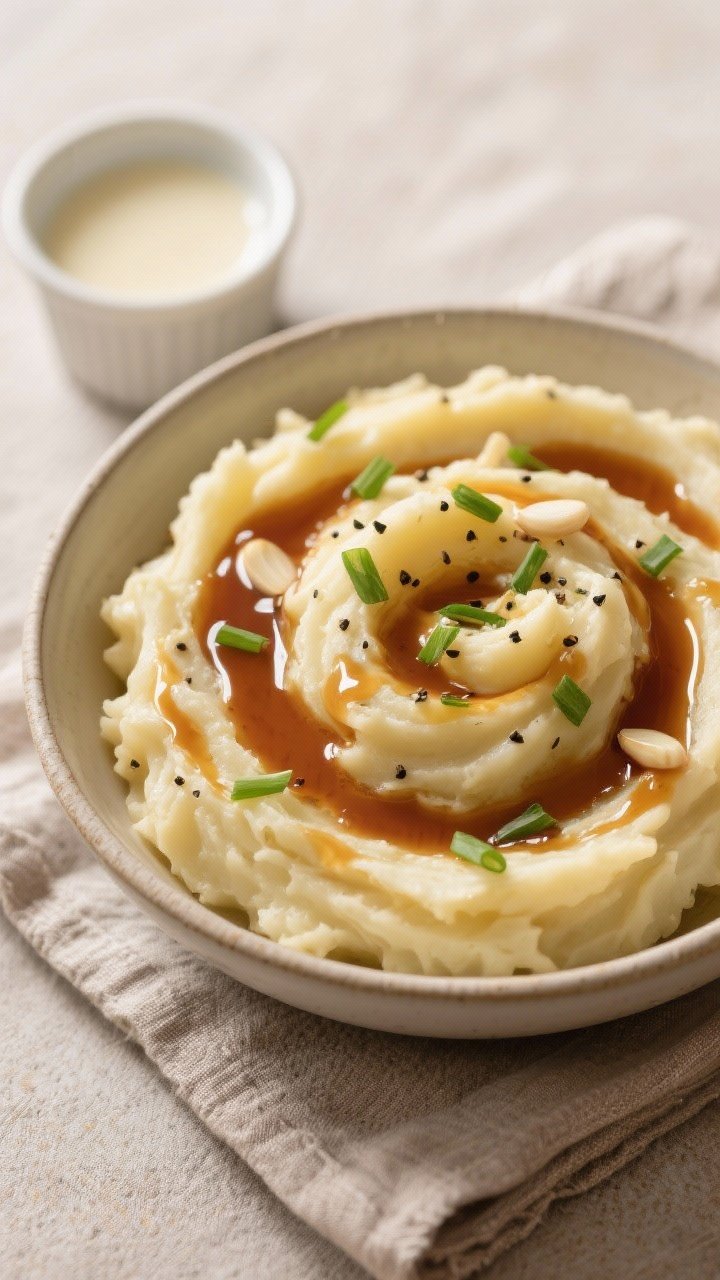
- Add brown butter and garlic: Pour in the brown butter with the toasted bits and garlic. Fold gently to distribute the flavor.
- Mix in warm dairy: Add the warm milk in stages, stirring gently until you reach your ideal creaminess.
Adjust with more milk if needed.
- Season: Add salt and freshly ground black pepper to taste. A pinch of salt at the end wakes up all the flavors.
- Finish and serve: Swirl in a splash of cream if using, and garnish with chopped chives or parsley. Serve warm with an extra drizzle of brown butter if you like.
Keeping It Fresh
Leftovers keep well for up to 3 days in the fridge in an airtight container.
To reheat, sprinkle with a little milk or cream and warm gently on the stovetop or in the microwave, stirring occasionally. For longer storage, you can freeze mashed potatoes for up to 1 month. Thaw overnight in the fridge and reheat slowly, adding more dairy to loosen.
If the mash looks a bit stiff, a small knob of butter and a splash of milk will bring it back to life.
Benefits of This Recipe
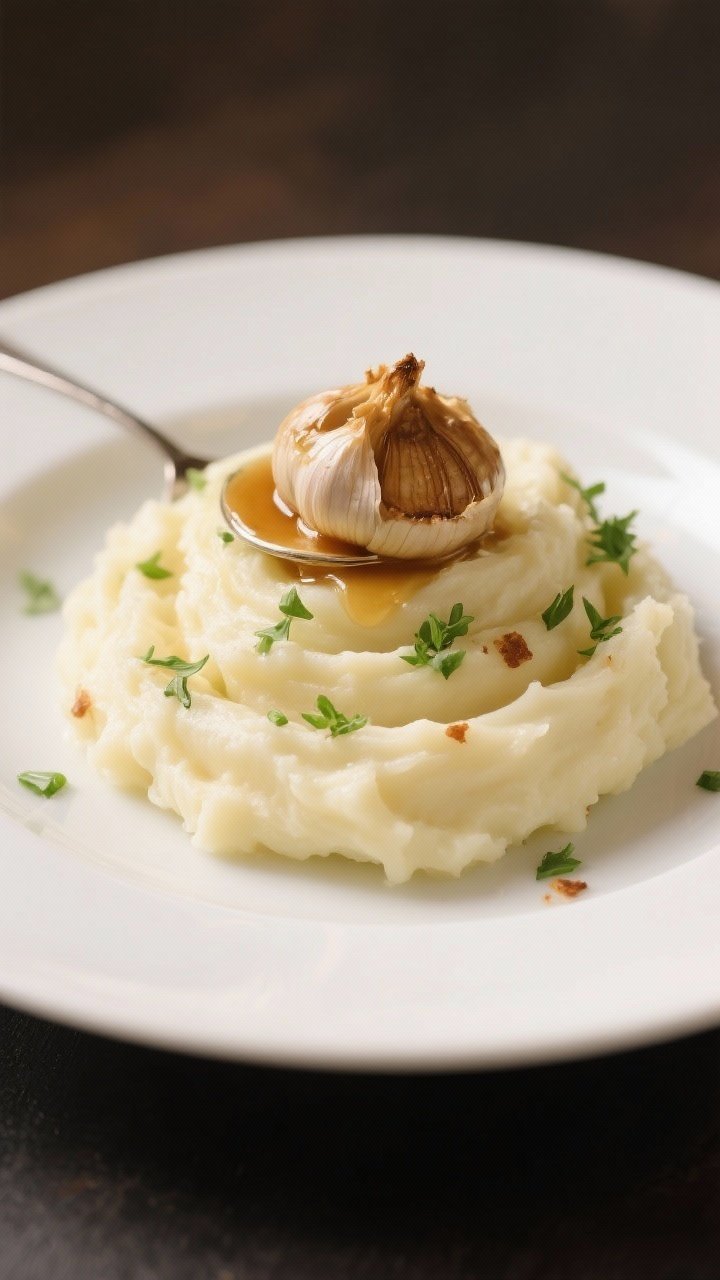
- Flavor-packed: Brown butter and garlic transform simple potatoes into a standout side.
- Flexible: Works for everyday meals and special occasions.
- Make-ahead friendly: Easy to prep ahead and reheat without losing texture.
- Customizable richness: Use milk for lighter mash or add cream for a luxe finish.
- Beginner-friendly: Straightforward steps with big results.
What Not to Do
- Don’t start with hot water: Cold water ensures even cooking from the outside in.
- Don’t skip salting the water: It seasons the potatoes from within.
- Don’t overwork the potatoes: Avoid electric mixers and food processors; they create gluey mash.
- Don’t burn the butter: Brown is good; black is bitter. Pull it off the heat as soon as it’s amber and nutty.
- Don’t add cold dairy: Cold milk tightens the starch and dulls the texture.
Variations You Can Try
- Herb-infused: Steep rosemary, thyme, or sage in the brown butter for extra aroma. Remove the stems before mixing.
- Parmesan boost: Stir in 1/2 cup finely grated Parmesan for a savory, cheesy twist.
- Sour cream and chive: Swap part of the milk with sour cream for tang and richness; finish with lots of chives.
- Roasted garlic deluxe: Use a full head of roasted garlic for a sweeter, mellow garlic profile.
- Buttermilk mash: For a lighter, tangy version, use warmed buttermilk and a touch of butter.
- Dairy-free: Use olive oil or plant-based butter and warm unsweetened almond or oat milk.
- Extra-silky: Pass the potatoes through a ricer and then a fine sieve for restaurant-level smoothness.
FAQ
Which potatoes are best for mashed potatoes?
Russet and Yukon Gold are the top choices.
Russets whip up fluffy and light, while Yukon Golds are naturally creamy and buttery. Mix them for the best of both worlds.
How do I know when the butter is browned?
Watch for a golden color with brown specks and a nutty, toffee-like aroma. The foam will subside, and the sound will quiet slightly.
Remove it from the heat right away to avoid burning.
Can I make these ahead?
Yes. Make the mash, cool, and refrigerate for up to 3 days. Reheat gently with a splash of milk or cream and a bit more butter to refresh the texture.
Is there a way to keep them warm for a party?
Keep them warm in a covered oven-safe dish at 200°F (95°C) for up to an hour, or use a slow cooker on the “warm” setting.
Stir occasionally and add a splash of warm milk if they thicken.
What if my mashed potatoes are too thick?
Add warm milk a little at a time, stirring gently until they loosen. Avoid vigorous mixing to keep them fluffy.
Can I use pre-minced jarred garlic?
You can, but fresh garlic gives a cleaner, sweeter flavor. If you do use jarred, cook it very briefly in the hot brown butter to mellow it.
How much salt should I use?
Salt the cooking water well—like pasta water.
Then season the mash to taste at the end. Start with 1 teaspoon kosher salt and adjust as needed.
What’s the best tool for mashing?
A potato ricer yields the smoothest mash with minimal effort. A traditional masher works for a rustic texture.
Avoid blenders and food processors.
Wrapping Up
Brown Butter Garlic Mashed Potatoes deliver big flavor with simple ingredients. The nutty butter and gentle garlic turn a familiar side into something memorable, and the method keeps the texture creamy and light. Keep this recipe handy for holidays, dinner parties, or any night that calls for pure comfort on a plate.
Once you make them this way, it’s hard to go back.
Printable Recipe Card
Want just the essential recipe details without scrolling through the article? Get our printable recipe card with just the ingredients and instructions.