
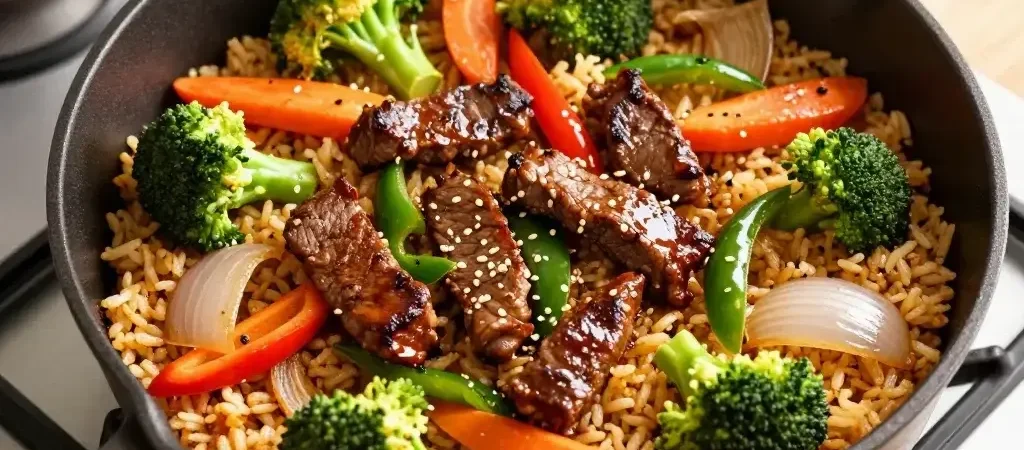
The kitchen clock is ticking, and you’re in the mood for a dinner that feels like a happy dance on a skillet. Beef stir fry, mixed vegetables, and fried rice aren’t just a combo—they’re a one-pan party with texture, color, and that wink of caramelized goodness. Let’s skip the dithering and get straight to the sizzle.
What makes this trio so irresistible
Beef, veggies, and fried rice is basically a comfort-food mixtape. The beef brings protein punch and a savory kiss from the sear. The vegetables add color, crunch, and a healthy halo. Fry the rice, and you’ve got crispy edges, toasty bits, and that nostalgic fried-rice aroma that says, “This is going to be good.” FYI, this isn’t a one-note dish; it’s a whole vibe.
The game plan: heat, timing, and balance
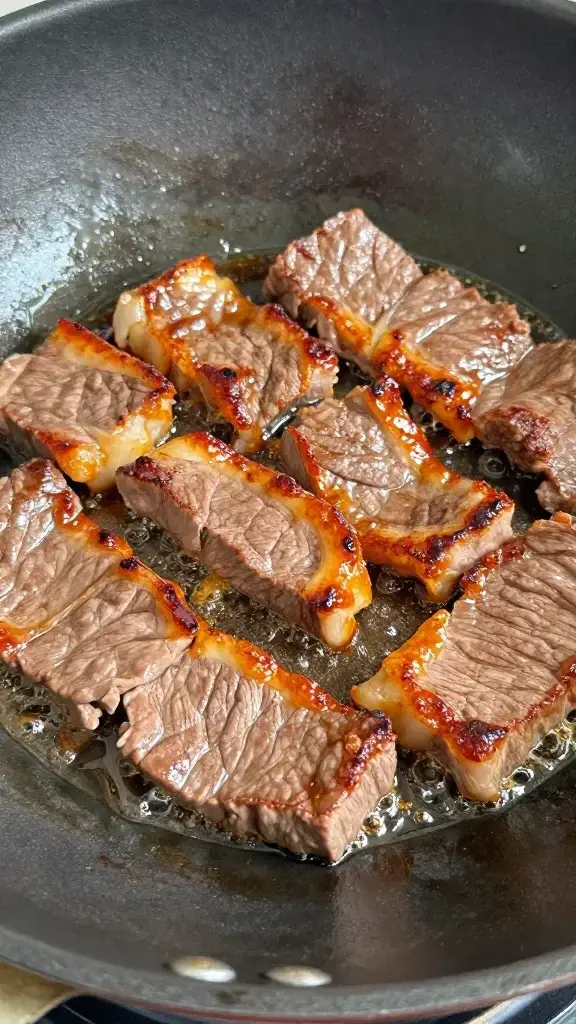
Getting this dinner right hinges on three things: hot wok (or skillet), quick timing, and balance between sauce, meat, and veggies. Don’t overcomplicate it. Pre-measure your sauces, slice the beef thin, and keep the rice ready to go. The minute your pan hits heat, you’re in a race against the clock—and that’s a race worth winning.
Choosing the ingredients: beef and the vegetables
– Beef: Look for flank, sirloin, or ribeye if you want maximal flavor. Slice against the grain into thin strips so the meat stays tender. Marinade optional, but a quick toss in a little soy sauce, cornstarch, and a splash of oil can work wonders.
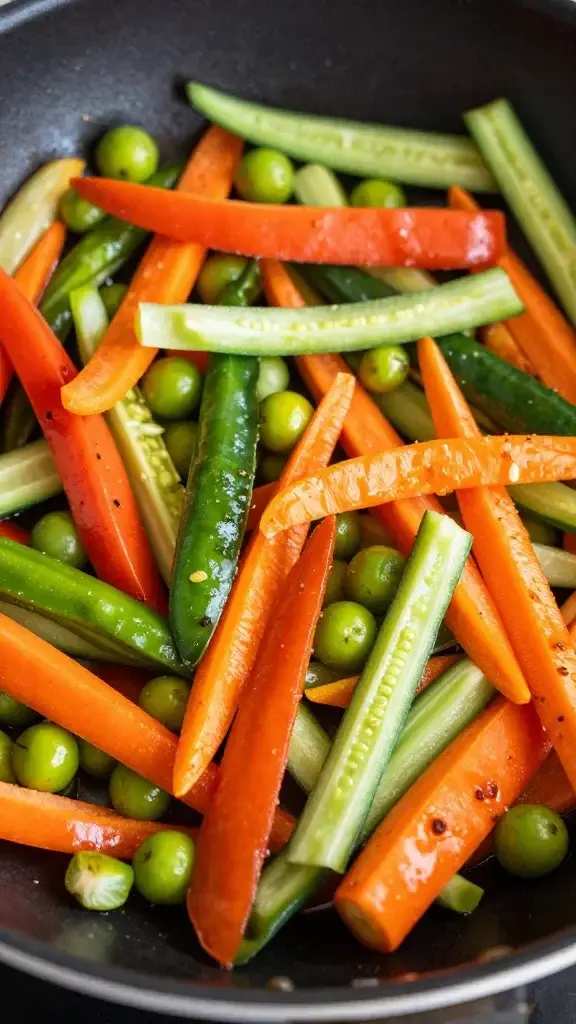
– Vegetables: Carrots, bell peppers, broccoli, snap peas, and onions are crowd-pleasers. You want a mix that stays crisp after high heat. Don’t fear a pop of color from red cabbage or baby corn if you’ve got them—color = appetite.
– Aromatics: Garlic, ginger, and spring onions add depth without stealing the show. They’re the undercurrent that makes the dish feel polished, not bland.
– Rice: Day-old rice is the MVP for fried rice. Fresh rice tends to be too soft and sticky. If you must use fresh, spread it out and let it cool so it dries a bit.
Seasoning without overwhelm
– The basics: soy sauce, a touch of oyster sauce or hoisin for sweetness, a pinch of sesame oil, and a splash of rice vinegar or lime juice for brightness.
– Spicy option: add chili paste or red pepper flakes if you like heat.
– Balance trick: taste as you go. You want savory, a hint of sweetness, and a touch of acidity to keep things lively.
– Thickener: a teaspoon or two of cornstarch whisked into water can give you a glossy sauce that clings to beef and veggies without becoming glue.
The cooking sequence: how to orchestrate the sizzle
1) Prep first, then heat. Pre-cut everything so you can move fast.
2) Get the pan screaming hot. A dry pan helps the beef sear and not steam.
3) Sear the beef in batches. Don’t crowd the pan; you want that caramelized edge.
4) Remove beef, then stir-fry the vegetables. Add a little more oil if needed.
5) Reintroduce the beef, pour in the sauce, and toss until everything glazes evenly.
6) Push the pause button for the fried rice: in a separate pan, scramble eggs, then stir-fry cold rice with a touch of oil, soy sauce, and pepper until the grains crisp a bit.
7) Combine and serve. Yes, that’s all there is to it.
Fried rice: the crispy edges you didn’t know you needed
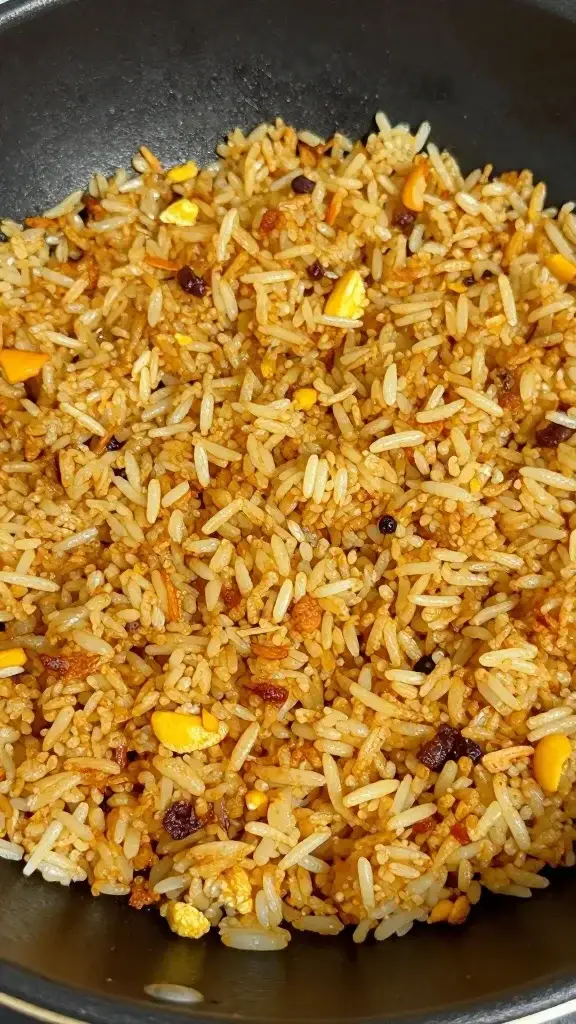
– Pro tip: use a seasoned wok or well-seasoned skillet. The surface helps the rice develop that coveted crust.
– Eggs first, rice second. Scramble eggs in the pan, push them aside, add oil, then rice. Break up clumps as you go.
– Seasoning quick: a light splash of soy sauce, a pinch of white pepper, and a whisper of sesame oil. You want flavor, not a soy-flavored brick.
– Finish with green onions for brightness. A quick squeeze of lime over the top right before serving can snap the flavors awake.
Plating that feels like a restaurant moment
– Plate strategy: start with a bed of fried rice, lay the beef and vegetables on top, then drizzle any remaining sauce from the pan.
– Garnish with chopped scallions, sesame seeds, or a spritz of lime. Small touches make big impressions.
– Texture matters: a little extra crispy rice is welcome, so don’t shy away from that crunchy edge.
Variations to keep things interesting
– Protein swap: chicken, pork, shrimp, or tofu for a veggie-friendly option.
– Veggie rotation: keep broccoli and peppers, then swap in bok choy, mushrooms, or zucchini depending on what’s in your fridge.
– Sauce remix: swap soy for tamari for gluten-free, add a touch of honey for a sweeter glaze, or go tangy with a splash of rice vinegar.
– Rice alternative: cauliflower rice for a low-carb hint, if you’re into that.
Common pitfalls and how to dodge them
– Pitfall: soggy veggies. Fix: high heat and quick stir-fry; remove vegetables early if they start to look limp.
– Pitfall: dry beef. Fix: slice thinly with the grain, don’t overcrowd the pan, and don’t overcook. A quick sear beats a chewy chew every time.
– Pitfall: bland sauce. Fix: balance the three notes—savory, sweet, and tangy—and finish with a small dose of acidity.
– Pitfall: mushy fried rice. Fix: use day-old rice, or spread freshly cooked rice on a tray to cool before using.
Subsection: the “minute-by-minute” timing cheat sheet
– 0-2 minutes: heat the pan, prep ingredients, and season beef.
– 2-4 minutes: sear beef in batches, remove.
– 4-6 minutes: stir-fry vegetables, add garlic/ginger mid-way.
– 6-7 minutes: rejoin beef, add sauce, and toss until glossy.
– 7-9 minutes: fry rice in a separate pan, eggs first, then rice, then seasoning.
– 9-10 minutes: combine gently, plate, and garnish.
Frequently asked questions
Can I make this ahead for meal prep?
Yes, but keep components separate until serving. Reheat quickly in a hot pan to re-crisp the rice, and toss the beef with a splash of water to refresh the sauce glaze. IMO, this tastes best fresh, but a good reheat can still hit the spot.
What if I don’t have a wok?
Not a problem. A large, heavy skillet works great. The key is to get the pan hot and keep the meat in a single layer to avoid steaming. FYI, you’ll still get that satisfying sear even without a wok lab-grade setup.
Is it okay to use frozen vegetables?
Totally. Frozen veg can save you time and keep things crisp if you don’t overcrowd the pan. Just thaw and pat dry so you don’t introduce extra moisture. Bonus: you’ll save prep time, which means more dinner-now energy.
How do I make this vegan or vegetarian?
Swap beef for tofu or tempeh and amp up the veggie content. Use tamari instead of soy for a deeper flavor, and add mushrooms or extra garlic and ginger for umami. IMO, it still feels indulgent without the meat.
What’s the best oil to use?
High-heat oils work best: canola, peanut, or grapeseed. They handle the sear without smoking. If you’re allergic to nuts, skip peanut oil and go with canola or grapeseed.
Conclusion
If you want a dinner that’s fast, flexible, and friendly to your leftovers, this beef stir fry with mixed vegetables and fried rice has your back. It’s the kind of meal that feels like a hug from your own kitchen—savory, colorful, and satisfyingly crispy in all the right places. So grab your hot pan, sharpen your knife a touch, and cook like you mean it. You’ll be licking the wok-clean feeling all night, and that’s not dramatic—it’s delicious.