
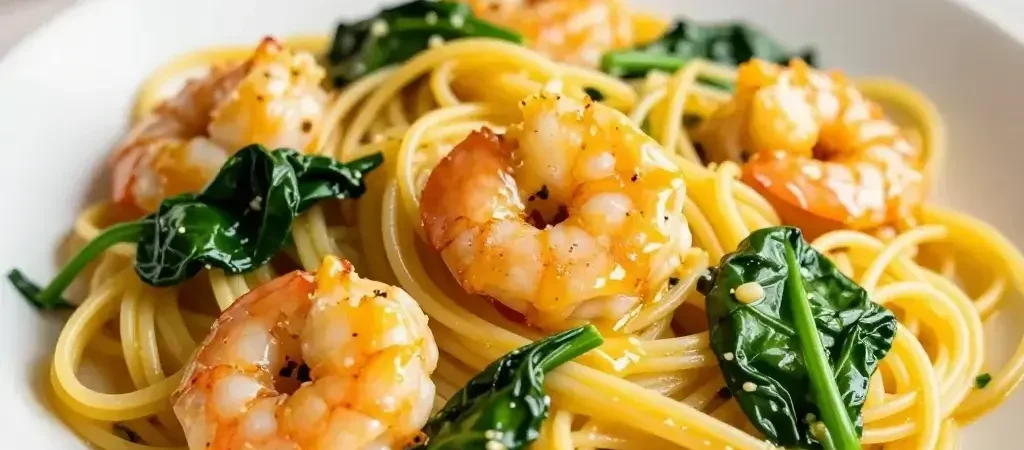
It hits the plate and suddenly dinner feels like a victory lap. Shrimp scampi with sautéed spinach and angel hair pasta isn’t just a meal—it’s a mini celebration you can pull off any night. Garlicky butter, bright lemon, a little heat, and yeah, that kiss of seafood sweetness. Let’s dive in and make it feel effortless.
What makes this trio work so well
Shrimp scampi isn’t complicated, but it does a lot with a little. The angel hair pasta cooks quickly and soaks up all those garlicky, lemony flavors. Sautéed spinach adds leafy greens that keep the dish from feeling heavy and give a wink of earthiness. Put together, you get a dish that sounds fancy but is totally doable in a weeknight kitchen.
Picking the good stuff: shrimp, spinach, and pasta
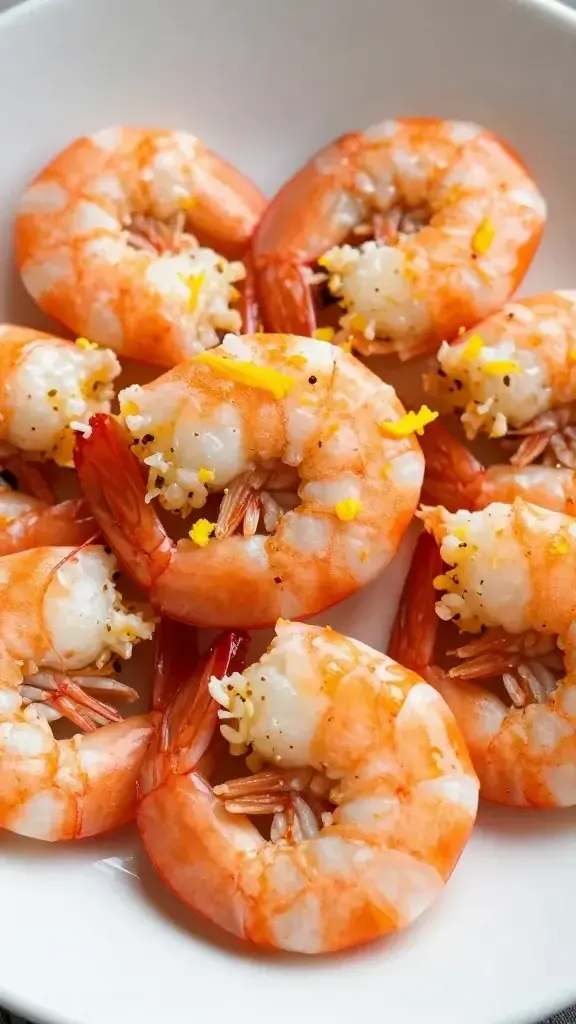
– Shrimp: Look for peeled and deveined, with tails removed unless you’re into the fancy presentation. Fresh or thawed from frozen both work, just pat dry before cooking so you don’t splash hot butter everywhere.
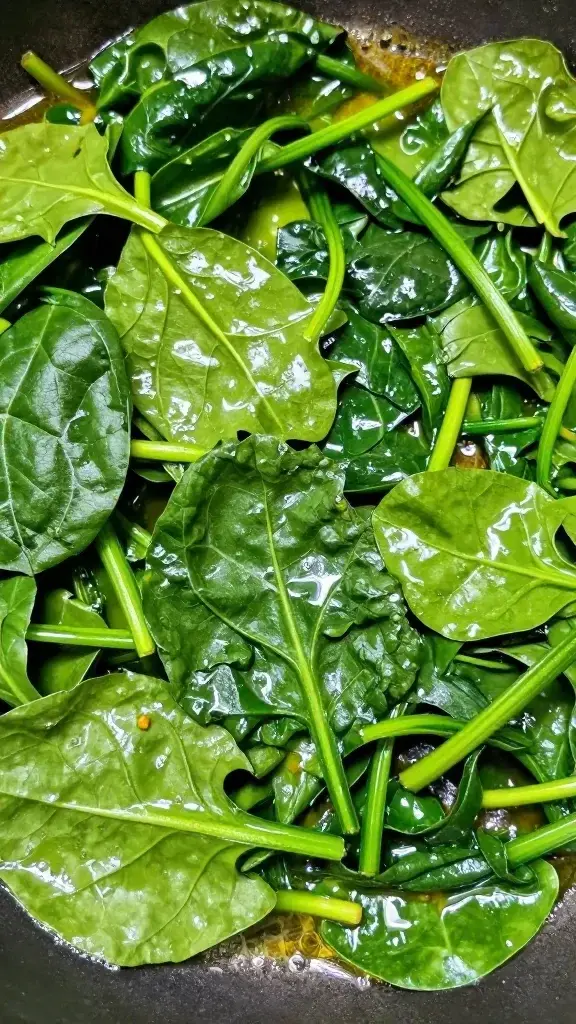
– Spinach: Baby spinach is the easiest. It wilts quickly and stays bright green. If you grab mature spinach, just trim the stems a bit.
– Angel hair pasta: This is the sprinting event of pasta shapes. It cooks fast (2–4 minutes), so keep an eye on it. If you only have spaghetti on hand, that works too—just expect a touch heartier bite.
Cook-along: the step-by-step game plan
– Boil water, salt generously, and get that pasta in. You want it al dente because it will finish cooking in the pan with the shrimp.
– Sauté garlic in a sizzling pool of butter and olive oil. Don’t let it burn—garlic tastes best when it’s fragrant, not scorched.
– Add shrimp, cook until pink and opaque, then hit with a squeeze of lemon and a splash of white wine (or more broth if you’re not sipping something fancy).
– Toss in spinach until it wilts, then slide in the cooked pasta right in the pan. Toss everything together so the sauce clings to each strand.
– Finish with a pinch of red pepper flakes if you like a little kick, and finish with a finishing salt to taste.
Flavor boosters that actually work
- Lemon zest along with juice keeps brightness front and center.
- Butter + olive oil balance richness and prevent the garlic from getting bitter.
- Parsley chopped on top adds color and a fresh bite.
- White wine deglazes the pan and lifts the shrimp’s flavor; if you’re avoiding alcohol, swap with extra broth.
Subsection: the garlic debate—how much is enough?
– Start with 3–4 cloves for a pound of shrimp. If you adore garlicky goodness, you can push to 5 or 6. The trick is to let the aroma bloom in fat, not burn in a dry pan.
– Slice or mince? Minced garlic disperses more evenly, but thin slices offer occasional bursts of bold flavor. Do you, boo.
Texture talk: al dente pasta and wilted greens
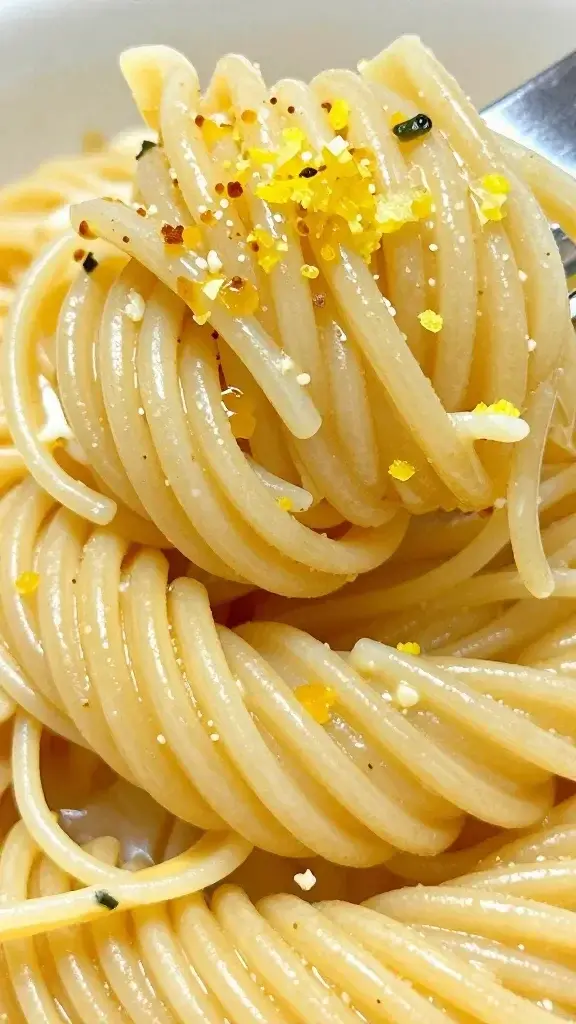
– Al dente pasta holds up to tossing and won’t turn into mush while you finish the sauce. If you let it sit in the pan too long, it will cling to sauce and overcook. Time it with your shrimp.
– Spinach should just wilt. If you wait too long, it goes limp and dull. You want a little bite and a lot of color.
Make it your own: add-ins and swaps
– If you want seafood variety, add scallops or a handful of cherry tomatoes for a pop of sweetness.
– For more heat, toss in a pinch of crushed red pepper or a splash of hot sauce at the end.
– Lactose-free or dairy-free? Use olive oil plus lemon and skip the butter, or use a dairy-free butter substitute.
How to plate like a pro (without pretending to be a chef)
– Start with a nest of pasta in the center, then lay shrimp on top. Scatter wilted spinach like confetti.
– Spoon a little of that pan sauce over the top. The sauce should cling to the pasta, not pool underneath.
– Finish with a flick of parsley and a last whisper of lemon zest. FYI, a squeeze of fresh lemon right before serving brightens everything.
Subsection: pan sauce primer
– Deglaze with white wine after shrimp are cooked to lift all those tasty browned bits.
– Reduce slightly to concentrate the flavor before tossing in pasta and spinach.
– If your sauce seems too thin, simmer a minute longer; if too thick, splash in a little broth or water.
Common pitfalls and how to avoid them
– Overcooking shrimp: They turn rubbery fast. Once they’re pink and opaque, pull them from heat.
– Garlic burning: Lower the heat a bit and add garlic after the butter has melted. Garlic burns quickly and becomes bitter.
– Pasta overshoot: Salt your water, taste as you go, and pull it out a minute before it’s fully cooked. It will finish in the sauce with the shrimp.
FAQs
Can I make this without wine?
This dish still shines without alcohol. Use extra broth or a splash of white grape juice with a touch of lemon to mimic the brightness. The key is keeping the sauce flavorful and not watery.
Can I use spinach in bulk or other greens?
Bulk spinach works great, but you can swap in arugula or kale if you like a tougher bite. Sauté greens a bit longer if they’re not tender enough.
What should I serve with this?
A simple green salad, crusty bread for mopping up sauce, or a light white wine like Pinot Grigio or Sauvignon Blanc pairs nicely. If you want something cozy, a garlic butter crostini does the job.
How do I store leftovers?
Keep it in a sealed container in the fridge for up to 2 days. Reheat gently on the stove with a splash of broth to loosen the sauce. The greens may slim down, but the flavor still sings.
What if I want a more “holiday” version?
Double the lemon zest, add a splash of cognac or brandy to the sauce, and top with grated Parmesan. It’s a little more decadent while still being easy.
Conclusion
This shrimp scampi with sautéed spinach on angel hair pasta isn’t pretending to be fancy—it is deliberately delicious and simple. It hits all the marks: quick, flavorful, and flexible enough to suit whatever you have on hand. So, next time you’re meal planning, think of this as your reliable, do-it-now dinner that somehow tastes like a hug in a skillet. IMO, you’ll be tempted to make it weekly. FYI, that’s not a hard sell.