
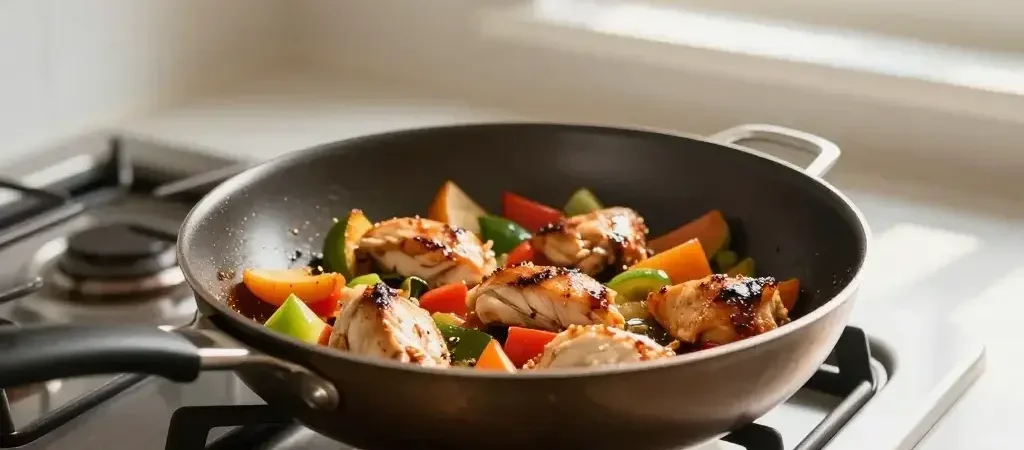
If you can boil water, you can cook at least a dozen meals once you know a few basics. Let’s cut the fluff and get you into the kitchen with beginner-friendly recipes that actually taste like you know what you’re doing. You’ll be surprised how far a simple skillet and a handful of pantry staples can take you. Ready to level up your weeknights without fuss? Let’s go.
Why these recipes matter: cooking confidence starts with tiny wins
You don’t need six cookbooks and a screaming oven to create something delicious. Small, repeatable wins build real skills, and confidence follows like a loyal sidekick. Think of these recipes as the starter pack for adulthood, but with better flavor. FYI, the goal isn’t perfection; it’s consistency.
1. One-pan wonders: easy dinners without the cleanup chaos
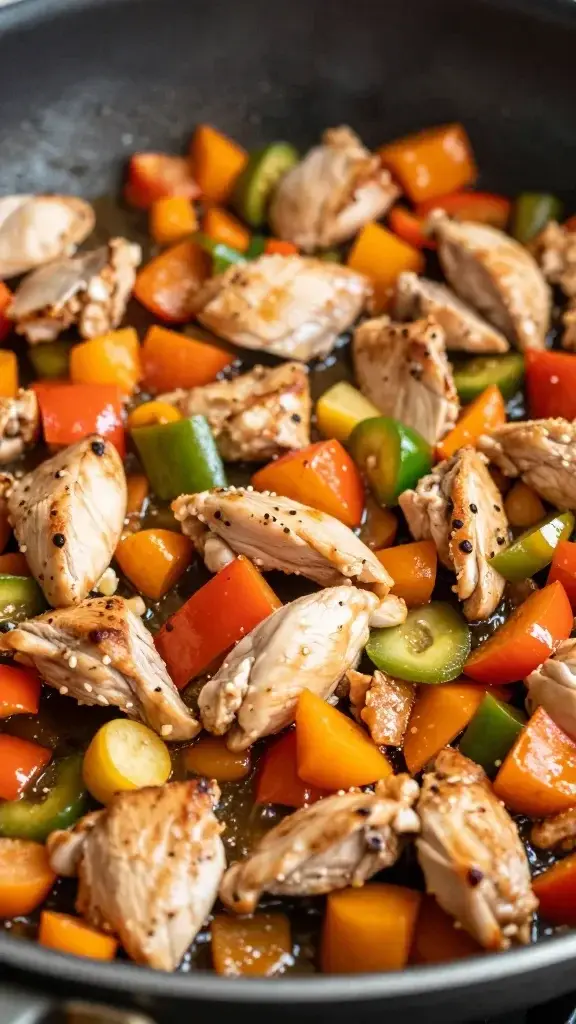
Imagine a whole meal cooked in a single pan. Yes, it’s real, and yes, it’s magical. These recipes save you time, dishes, and the “did I burn the kitchen down?” anxiety.
- Sheet-pan chicken and veggies: Toss chicken thighs, potatoes, and veggies with olive oil, salt, pepper, and your favorite herbs. Roast until everything is browned and happily caramelized.
- Skillet sausage and peppers: Sizzle sliced sausage, peppers, and onions. A quick splash of stock or wine, and you’re ready to serve over rice or crusty bread.
- One-pan pasta bake: Parboil short pasta, mix with a quick tomato sauce and cheese, then bake until bubbly. Minimal cleanup and maximum comfort.
Deep dive: timing is your friend
– Start with proteins that take longer to cook, then add quicker veggies later.
– Taste as you go—seasoning matters more when there are fewer steps to conceal mistakes.
– Don’t overthink sheet-pan meals. If it tastes good, it’s good.
2. The pantry staples you actually use (and what to grab first)
If your kitchen looks like a museum of expired stuff, this section is for you. Build a lean, reliable foundation, and you’ll stop ordering takeout purely out of fear of mystery ingredients.
- Basics to stock: olive oil, garlic, onion, canned tomatoes, dried pasta, rice, beans, soy sauce, bouillon or stock, paprika, chili flakes.
- Smart shortcuts: rotisserie chicken, canned beans, pre-cut veggies, frozen veggies for fiber without the fuss.
- Flavor boosters: lemon juice, Dijon mustard, Parmesan, a good salt, and fresh herbs if you can swing them.
Subsection: simple flavor tuning
– Build flavor in layers: salt early, acid at the end, fat to finish.
– Don’t be afraid to taste as you go; your palate will thank you.
3. 20-minute meals that taste like you cooked for hours
When you’re pressed for time, speed can still deliver flavor. These go-to meals are designed to be on the table fast without skimping on personality.
- Garlic butter shrimp with lemon: Sauté shrimp, finish with garlic butter and a squeeze of lemon. Pair with quick-cooked pasta or crusty bread.
- Stir-fry reinvented: Quick-veggie combo with your protein of choice, a splash of soy sauce, and a pinch of sugar. Serve over rice or noodles.
- Frittata for any meal: Whisk eggs with cheese and veggies, then bake or pan-finish. Great for leftovers and brunch vibes.
Deep dive: the 10-minute skills to master
– Knife confidence: learn to dice onion fast with a controlled rocking motion.
– Heat control: medium-high is your friend for browning, not burning.
– Resting is real: a couple minutes of rest after cooking can improve flavor and texture.
4. Flavor without flames: no-stovetop or minimal-cook options
Not every kitchen header wants to sizzle. Here are solid, beginner-friendly options that lean on no-heat or gentle heat.
- Chopped salad bowls: Build texture with crunchy veggies, protein, a grain, and a zingy dressing.
- Caprese-inspired bowls: Fresh mozzarella, tomatoes, basil, olive oil, and balsamic—serve with crusty bread or over grains.
- No-cook bean bowls: Rinse and drain canned beans, mix with corn, peppers, avocado, and a tangy dressing.
Subsection: dressings that elevate anything
– A simple vinaigrette goes a long way: 3 parts oil to 1 part acid, plus salt and a touch of mustard or honey.
– Shake it up in a jar; you’ll actually use it if it’s easy to grab.
5. Breakfast for dinner: easy, comforting, and hard to mess up
Breakfast isn’t just for mornings. It’s a mood, and these recipes prove it can be a legit dinner strategy.
- Tomato-topped eggs in a skillet: Crack eggs into a shallow tomato sauce and simmer until set. Serve with toast.
- Fluffy omelet in minutes: Whisk eggs, pour into a hot pan, fold in cheese and greens. Quick, bright, and delish.
- Breakfast burrito bowls: Scrambled eggs, beans, rice, avocado, salsa. Mix and match to taste.
6. Simple desserts that aren’t scary to make
Yes, you can finish a meal with something sweet—without summoning a pastry chef.
- Microwave mug cake: A tiny, speedy treat for emergencies. Don’t overcook; it dries out fast.
- Jellied fruit and yogurt cups: Layer yogurt, fruit, and a little honey in a cup. Chill and chillax.
- Skillet fruit crisp: Sauté sliced apples with a touch of sugar and cinnamon, top with oats and butter, finish under the broiler for a browning edge.
7. How to tweak recipes for your kitchen
No recipe is a sacred contract. You’ll want to tailor basics to your taste, equipment, and budget.
- Herbs and spices on a budget: Start with a small, versatile set: garlic powder, cumin, paprika, oregano, chili flakes, and black pepper.
- Equipment that actually helps: A decent nonstick skillet, a sharp chef’s knife, and a reliable saucepan can change your cooking game.
- Scaling and substitutions: If you don’t have a specific ingredient, swap with something similar rather than skipping the dish.
Deep dive: smart substitutions you’ll actually use
– Olive oil works for many fats, but butter adds depth—swap in a small amount for finish.
– If you don’t have chicken stock, use water with a pinch of salt and a dash of soy sauce for umami.
FAQ
Is it okay to cook with store-bought sauces and mixes?
Yes. They’re convenient for beginners. Use them to learn flavor balance, then start tweaking with fresh ingredients. FYI, you’ll likely notice you reach for them less as your palate and confidence grow.
How do I avoid burning food when I’m new to cooking?
Keep heat at medium or medium-low, use a thin layer of oil, and watch closely in the first few minutes. If you see smoke, turn the heat down. Also, prep ingredients before you start cooking—mise en place saves you from frantic scrambling.
What if I don’t have fancy equipment?
No problem. A solid nonstick skillet and a decent knife make most of these recipes shine. Start there, and you’ll upgrade only when you actually need it.
How can I stay motivated to cook more at home?
Set small, repeatable goals (like “two new dinners this week”), make a simple plan, and keep your kitchen stocked with a few staples. Treat cooking as a fun, relaxing ritual, not a chore. IMO, the vibe matters as much as the dish.
What’s the best way to learn from mistakes in the kitchen?
Take notes. What worked, what didn’t, and what you’d tweak next time. Don’t be afraid to repeat a recipe until you nail it. Practice makes better—not perfect.
Conclusion
Cooking doesn’t have to be intimidating, and you don’t need a culinary degree to whip up satisfying meals. Start with these beginner-friendly recipes, build a reliable pantry, and practice the tiny skills that make big flavors. You’ll notice the difference in your weeknights, your confidence, and your taste buds. So grab a pan, a timer, and a little curiosity—your future dinner self will thank you.