
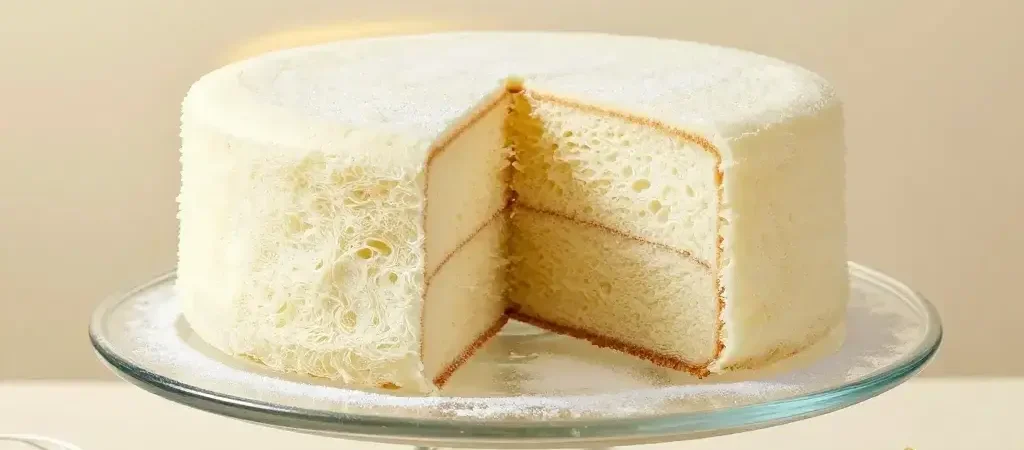
The trick to chiffon cake isn’t just beating eggs or sifting flour—it’s mastering air. Get the texture right, and you’re chasing a cloud that actually tastes like dessert. Ready to bake your way to a light, melt-in-your-mouth slice? Let’s dive in.
What makes chiffon cake so incredibly light?
Chiffon cake stands out because it uses oil and whipped egg whites to create a lot of lift without needing butter. The fat from oil stays tender, while the air from whipped whites inflates the batter. The result? A cake that’s airy, soft, and resilient enough to stand up to a dramatic frosting or a dusting of powdered sugar.
Why should you care about texture? Because a few tweaks can turn a meh cake into a feast-for-the-senses. FYI, the secret isn’t luck—it’s technique, timing, and a careful balance of ingredients.
Ingredients that matter (and what to tweak)
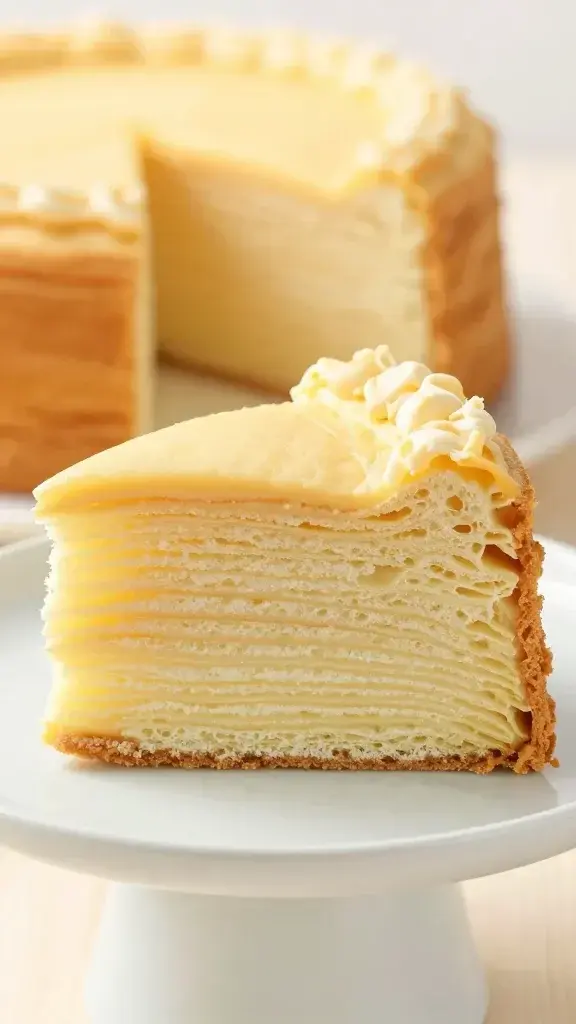
- Oil vs butter: Oil keeps chiffon moist and light, while butter can weigh it down. Use neutral oil for the classic version, or a light-tavored oil if you want a hint of something extra.
- Eggs: Separate whites and yolks, treat whites like delicate confetti. Whip to stiff peaks, not stiff-dry chaos.
- Sugar: Fine sugar dissolves quicker and helps with the foam stability. Don’t overmix sweet stuff into the dry mix—fold gently.
- Flour: Cake flour gives a finer crumb, but all-purpose can work with careful handling. Avoid overworking the batter—gluten formation = dense cake.
- Leavening: Baking powder and the air you whip are the dynamic duo. Don’t skip the whisked egg whites; they’re the backbone of that cloudiness.
Whip your whites like you mean it (and why you should)
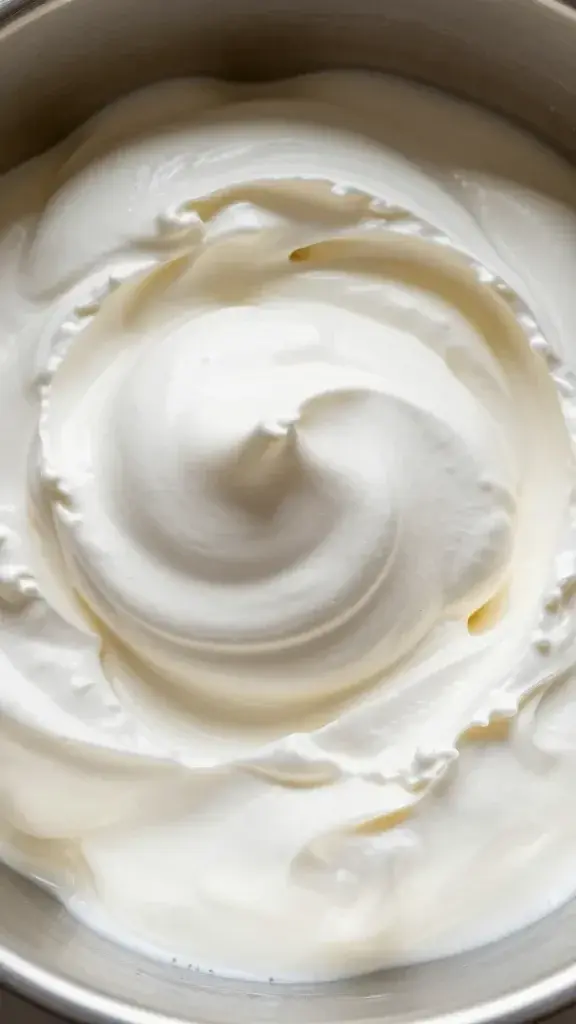
Whipping egg whites to glossy, stiff peaks is where the magic hides. They trap air, inflate the batter, and keep the cake light after it bakes. Here’s how to nail it:
- Make sure your bowl and whisk are clean and dry. No yolk, no grease—otherwise the foam won’t form.
- Egg whites at room temperature whip faster and higher. Plan ahead!
- Add a pinch of cream of tartar or a splash of lemon juice to stabilize the foam, then sugar gradually as you whip.
- Fold gently into the batter to keep the air you whipped intact. Think: feather-light, not bulldozer-stir.
Subsection: Troubleshooting right away
If your batter deflates or you end up with a sunken middle, you’re likely dealing with overmixed batter or underwhipped whites. Re-check your folding technique and temperature. FYI, a quick bake test with a smaller pan can save you from a full cake disaster.
Knife’s edge: proper pan and bake setup
The pan you use matters almost as much as the ingredients. Chiffon pans are the stars here—they’re tall, tube-shaped, and ungreased so the batter climbs the sides as it bakes.
- Ungreased pan: Let the batter creep up the sides for maximum rise. Don’t grease it—this helps the cake cling to the sides as it cools, maintaining height.
- Even heat: Bake with even temperatures. If your oven runs hot in spots, invest in an oven thermometer. No one wants a crumby surprise in the middle.
- Cooling: Invert the pan to cool. Airy cakes need support while setting. Don’t rush the cooling—gravity can be your friend here.
Subsection: Pans that help, not hinder
If you don’t have a chiffon pan, you can improvise with a tube pan or a regular springform with careful handling. Just remember: the key is maintaining that inner structure while the cake cools.
Flavor and texture: how to keep it light but tasty
Texture isn’t enough—flavor should wow, too. You can add zest, vanilla, or citrus oils to give the cake personality without weighing it down.
- Flavor boosters: Zest is a natural, strong way to boost aroma. A teaspoon of vanilla extract or a splash of almond extract can sing without overpowering the cake.
- Liquids: If you bake with citrus juice or coffee, add them in small amounts. Too much liquid can deflate the foam and make the crumb tight.
- Frosting options: A light glaze, whipped cream, or a thin dusting of powdered sugar complements the airy texture. Heavier frostings ruin the vibe.
Common mistakes and how to dodge them
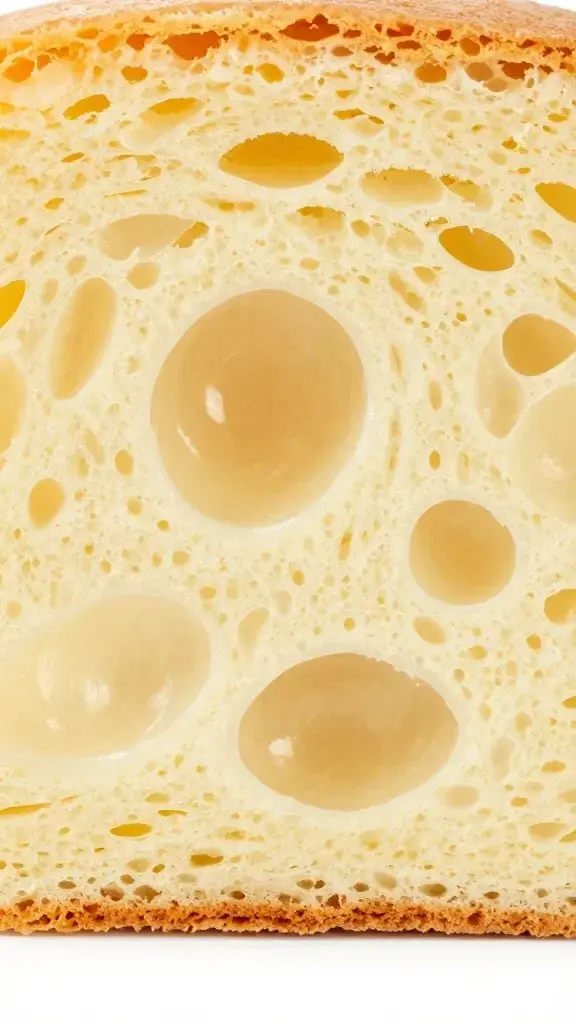
Here are the rookie traps and the quick fixes:
- Overmixing: It develops gluten and deflates the batter. Gentle folds are your best friend.
- Underwhipping whites: You’ll end up with a dense center. Whip until you get stiff, shiny peaks.
- Open oven beware: Opening the oven door too early can collapse the cake. Bake with a plan, not curiosity.
Advanced techniques for pro-like results
If you want to push for perfection, try these twists.
- Stabilized foam: A teaspoon of cream of tartar per two egg whites helps maintain structure, especially on humid days.
- Flavor-injected batter: Fold in lemon zest or cocoa powder into a portion of the batter for layers of flavor without compromising lift.
- Texture play: A light dusting of cocoa powder or matcha on top can add a subtle flavor and color contrast without weighing down the cake.
FAQ
How do I know when my chiffon cake is done?
The top should be lightly golden, the center should spring back when gently touched, and a skewer should come out clean or with a few moist crumbs. Don’t overbake or the cake will dry out, and don’t underbake or it’ll be dense.
Can I bake chiffon cake without a special pan?
Yes, you can. If you don’t have a chiffon pan, use a well-prepared metal tube pan or a tall loaf pan. The key is avoiding grease so the batter climbs and sets properly. If you rely on a different pan, be extra mindful of bake time and cooling technique.
Why does my chiffon cake sink in the middle?
Common culprits: underwhipped whites, overmixed batter, or opening the oven door too soon. Another issue is cooling too quickly. Let the cake rest upside down in its pan until fully cool to set the structure.
Can I add flavors after baking?
You can add a glaze, syrup, or whipped toppings after baking, but avoid heavy fillings inside. They can cause the cake to collapse or feel heavy. If you want more flavor, infuse the batter with zest or extract before baking.
What’s the best way to store chiffon cake?
Wrap loosely or store in an airtight container at room temperature for a day or two. For longer storage, refrigerate or freeze slices, then bring to room temperature before serving for the best crumb.
Conclusion
Chiffon cake isn’t just about beating eggs and praying for a miracle. It’s a delicate dance of air, fat, and gentle handling. When you master whipping whites, choose the right pan, and respect the bake time, you’ll be rewarded with a cloud-soft slice that melts on your tongue. So grab your whisk, preheat with confidence, and chase that perfect light and airy texture. IMO, the payoff is worth every clever fold and patient moment. Happy baking, friend.