
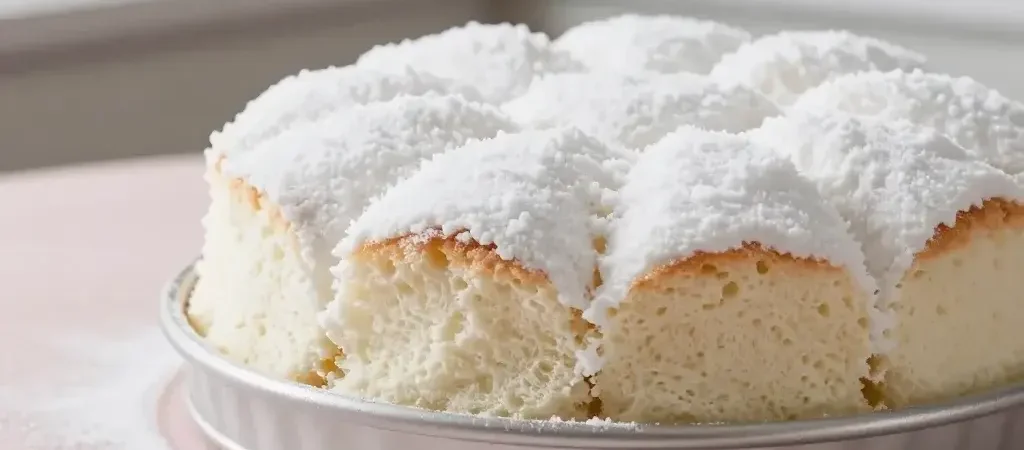
I’m not gonna sugarcoat it: angel food cake is basically a whipped cloud wearing a crown. It’s light, airy, and somehow perfectly sweet without being cloying. If you’ve ever bitten into a slice and felt like you could float away on a sugar halo, you know what I’m talking about.
What makes angel food cake so impossibly light
Think of the batter as a delicate dance between egg whites and sugar. No butter, no yolk heaviness, just fluffy whites whipped to stiff peaks and folded with care. The result? A cake that rises tall and holds onto that cloud-soft texture you crave. FYI, the secret isn’t tricks or shortcuts—it’s all about technique and air.
Choosing the right ingredients: the holy trinity
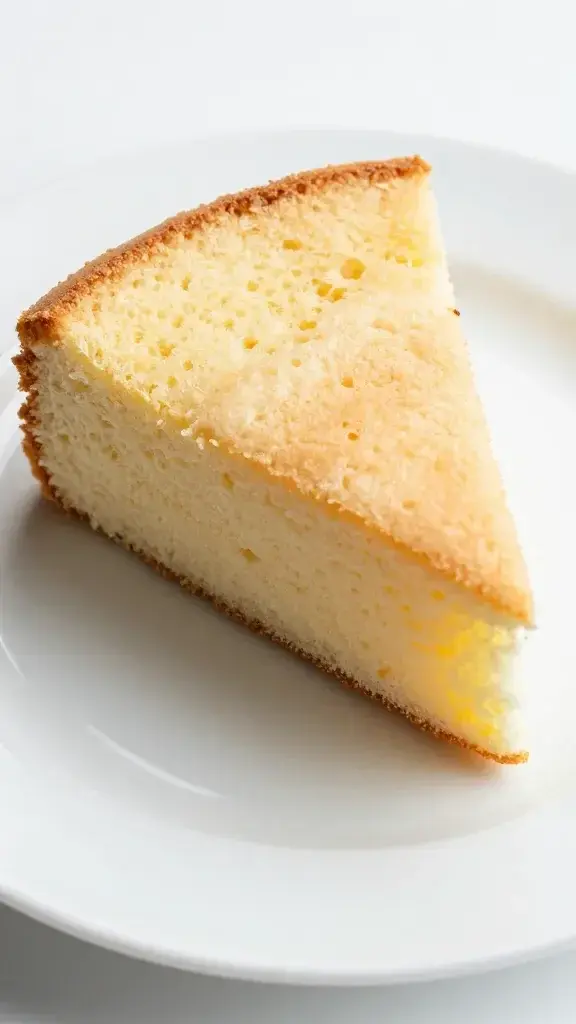
- Egg whites: Use room temperature for more volume. If they’re refrigerated, you’ll miss out on that dramatic rise.
- Sugar: Fine granules dissolve faster, keeping the batter smooth. If you only have superfine, that works too—the goal is no grit in your slices.
- Flour: Traditional angel food uses only cake flour for tenderness. If you don’t have it, you can sift all-purpose with a touch less flour, but you’ll notice the difference.
Equipment that loves you back
- A good tube pan with a removable bottom helps the cake cool evenly and release cleanly.
- A clean bowl and spotless beaters matter more here than they do with most cakes—any trace of oil or yolk can weigh down the whites.
- A spatula with some heft for folding, not aggressive mixing. You want gentle aeration, not deflating drama.
Mastering the whisk-and-fold routine

Whipping stiff peaks and folding them back into the batter without collapsing them is where you either win big or end up with a pancake in disguise. The trick is to add the dry ingredients in small portions and fold with a light, swooping motion. Don’t overmix, or you’ll lose the airiness. It’s a fine line between fluffy and deflated.
Step-by-step folding guide
- Whip the whites to stiff peaks with the sugar gradually added. The peaks should stand tall and glossy.
- Sift the dry ingredients—flour and a pinch of salt—so you don’t drop clumps into your batter.
- Gently fold a third of the dry mix into the whites to lighten, then fold in the rest in two additions.
- Transfer to the pan and bake without tapping out air. The batter should rise like a sunbeam.
Sweetness that hits the sweet spot
Angel food cake is famously light on sweetness, which means you can get away with a little more flavor without tipping into sugary territory. If you like a little zing, consider pairing with lemon zest, vanilla, or almond extract. For a special finish, a simple glaze or fresh berries does wonders. FYI, frosting is optional—this cake doesn’t want to fight for attention.
Flavor twists to try
- Lemon zest and a splash of vanilla for bright mornings
- Pure almond extract with sliced peaches for summer vibes
- Espresso powder and chocolate shavings for a grown-up treat
Baking tips to avoid the dreaded collapse
Angel food cake behaves best when it’s treated gently from batter to cooling. A dramatic drop once you pull it from the oven is the kiss of death—okay, maybe a bit dramatic, but it’s disappointing.
- Cool upside down: Most angel food pans have feet or you can invert the pan on a bottle to suspend it. This keeps the cake from sinking as it cools.
- Don’t grease the pan. The batter needs the pan’s sides to cling and climb. Greasing creates a barrier for rise.
- Watch for the bend test: When it’s done, the cake should spring back lightly and feel set, not jiggly.
Serve-it-up ideas: how to enjoy slices of cloud
Serving angel food cake is all about balance. The cake shines on its own with a little sunshine on top, or you can add a gentle accompaniment to lift it without overpowering the delicate texture.
- Fresh berries and a dollop of whipped cream keep things airy and bright.
- A lemon glaze adds a kiss of tart sweetness that pairs beautifully with the vanilla notes.
- Pair with a light fruit compote for a graceful, not-too-sweet finish.
Common mistakes and how to dodge them
Even the expert bakers stumble now and then. Here are the missteps that sneak in and how to avoid them.
- Overbeating the whites: They’ll turn grainy and dry. Stop at stiff peaks with a glossy sheen.
- Yolks in the whites: Any fat ruins volume. Keep yolk-free and clean.
- Opening the oven too soon: Temperature fluctuations collapse the rise. Leave it be until the timer sings.
FAQ
Can I make angel food cake in a regular pan?
It’s best with a tube pan to give the batter a tall, even rise and to help air circulate. If you don’t have one, you can bake in a fluted tube pan, but avoid shallow cake pans—the batter won’t rise properly.
Why does my cake crack on top?
Cracks usually happen when the oven is too hot or when the batter rises too quickly and then stops. Keep the oven steady and avoid opening the door mid-bake. If you see a crack forming, it’s okay—just keep going. It’s still delicious inside.
Is it okay to bake this ahead of time?
Absolutely. Angel food cake stores well for a day or two when wrapped loosely to breathe. For longer storage, freeze slices wrapped tightly; they thaw nicely in a few hours.
How do I know if the batter is ready to bake?
Gently fold in the dry ingredients until just incorporated. The batter should be airy and thick but still pourable off the spatula in ribbons. If you can see pockets of dry flour, you’re not done folding yet.
Can I add flavors to the batter?
Yes, but go easy. A teaspoon of vanilla or a teaspoon of lemon zest can elevate without weighing down the delicate structure. FYI, stronger flavors can mask the cake’s natural lightness, so taste as you go.
Conclusion
Angel food cake that’s light, fluffy, and perfectly sweet is a little science, a little art, and a lot of love. It rewards patience, the right whisk, and a gentle touch. So next time you crave something that melts in your mouth but doesn’t clog your brain with sugar, reach for this cloud of a cake. You’ll be the hero of the dinner party, and you won’t even have to break a sweat. IMO, it’s the dessert equivalent of a warm hug in a lemony dress.