
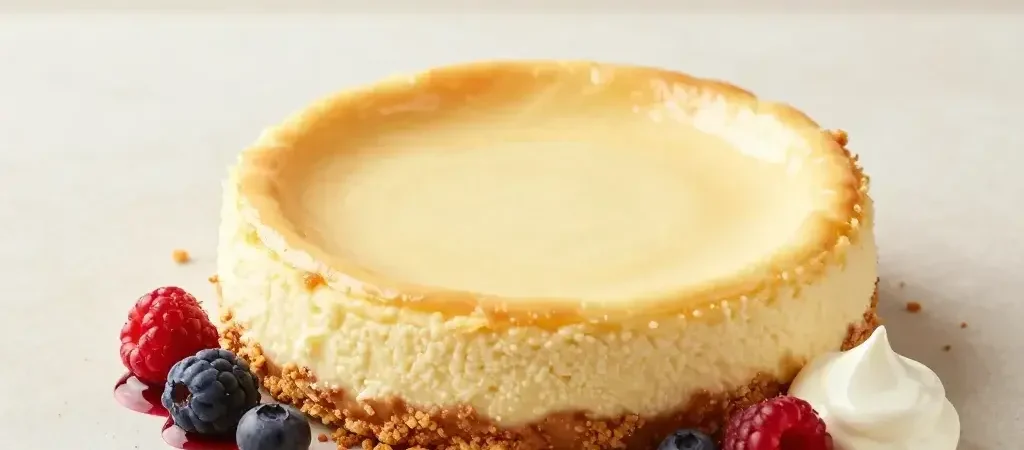
The best cheesecake isn’t a mystery novel with plot twists and failed crusts. It’s a confident, creamy masterpiece you can actually pull off on a weeknight. Ready to swap fear for flavor? Let’s dive into a guide that proves cheesecake isn’t hard—it’s deliciously forgiving.
What makes cheesecake, well, cheesecake?
Everybody has a cousin who swears their aunt’s recipe is untouchable. Spoiler: it’s usually the crust that saves the day. Cheesecake is basically a dairy reunion: cream cheese, eggs, sugar, and a dash of acidity all mingling until smooth and velvety. The key is balance—dense enough to feel luxurious, light enough to slice cleanly.
– Cream cheese for structure
– Eggs for binding (but don’t overbeat)
– Sugar for sweetness
– Sour cream or yogurt for tang and moisture
– A gentle bake and a chill to set the magic
FYI, the real secret is steady heat and a bath. More on that in a minute.
The crust: not just a support act
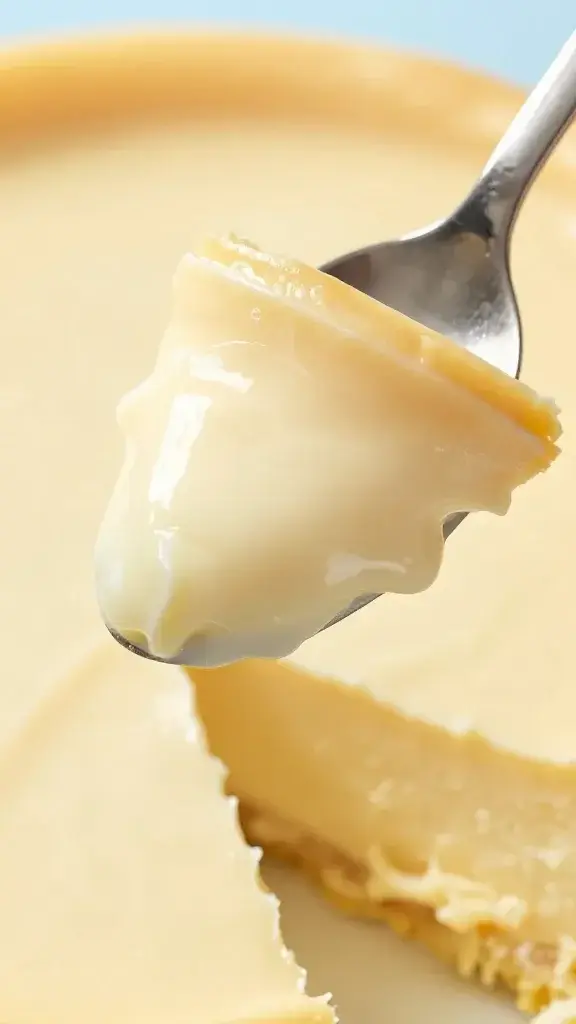
A good crust isn’t an afterthought; it’s the sturdy base that keeps your slice from turning into a lava-lava mess. You can go classic graham cracker, or switch it up with cookies, pretzels, or even toasted nuts for texture.
– Classic graham crust: butter, sugar, crumbs. Don’t press too hard—you want a bakeable, not a brick.
– Digestive biscuits for a UK-tinged vibe
– Chocolate crust for a dessert-first mindset
– No-bake option? Use a biscuit base with melted butter and chill until set
Subsection: blind baking or not?
Radiant question. If your oven plays nice, you can skip blind baking, but you’ll want to press the crust firmly and bake just enough to set it. Blind bake if your crust is stubborn or you’re chasing a crisp edge. Your future self will thank you.
Texture talk: creamy vs. fluffy
If you’ve ever had a cheesecake that wobble-tested your confidence, you’re not alone. The sweet spot is like a custard that holds its shape. Here’s how to nail it:
– Room-temp cream cheese blends smoothly; cold cream cheese = lumpy. Let your ingredients relax.
– Don’t overbeat after adding eggs. Gentle, slow mixing keeps it silky.
– Sour cream or Greek yogurt = tangy smoothness. Use full-fat for extra richness.
– Water bath helps prevent cracks and ceses the risk of overbaking
Pro move: wrap your springform tightly in foil to keep water out if you’re using a bath. FYI, a cracked cheesecake can still taste amazing—it just looks dramatic.
The bake-and-chill philosophy
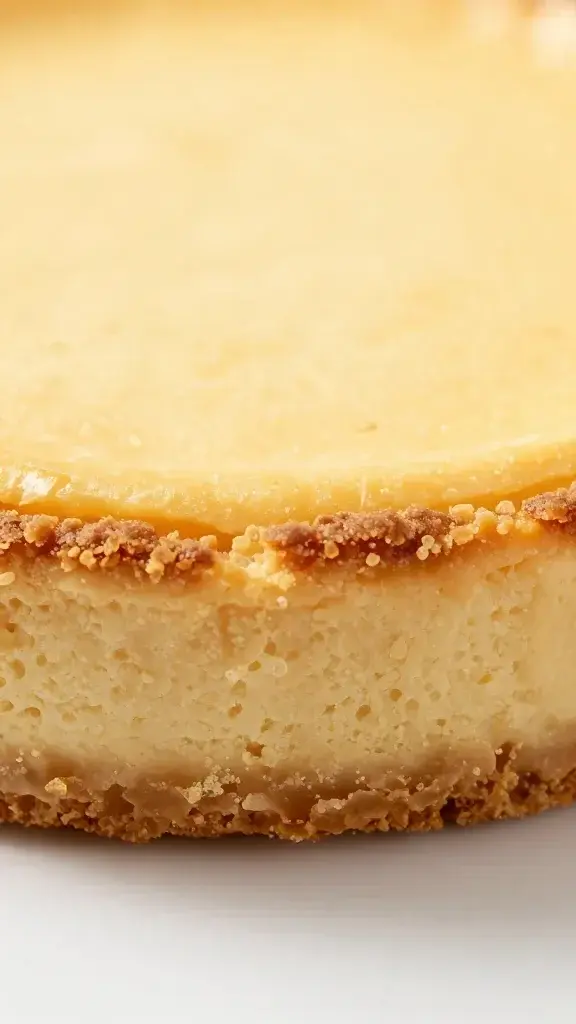
This is where many bakers win or lose. The bake should be slow, the protectors of moisture and texture. The chill is your friend—the longer you rest, the more the flavors mingle and the slice cuts cleanly.
– Bake at a moderate temperature (320–325°F / 160–165°C) for a steady set.
– Use a water bath to maintain humidity and even heat.
– After baking, crack the door and let it cool gradually; then refrigerate for at least 4 hours, ideally overnight.
Subsection: cracks happen, but they aren’t the end of the world
Cracks usually mean the top dried out or the cake cooled too fast. You can patch with a glaze, whipped cream, fruit compote, or a glossy chocolate ganache. Problem solved, confidence restored.
Flavor ideas that don’t scare the kitchen
Basic cheesecake is wonderful, but this is where you can remix without fear. Think of your fillings as a playlist—some tracks you repeat, some you skip.
– Classic vanilla with a berry compote
– Lemon zest and a touch of limoncello for brightness
– Chocolate swirl for the chocoholics
– Pumpkin or cinnamon spice for autumn vibes
– Savory-ish? A hint of olive oil in the crust and a pinch of salt can yield a surprisingly grown-up cheesecake
Subsection: mix-ins that actually work
– Fresh fruit (blueberries, strawberries, raspberries)
– Chocolate chips or chunks
– Nutty crunch (pecans, pistachios)
– Cookie crumble toppings for added texture
Common pitfalls and how to dodge them
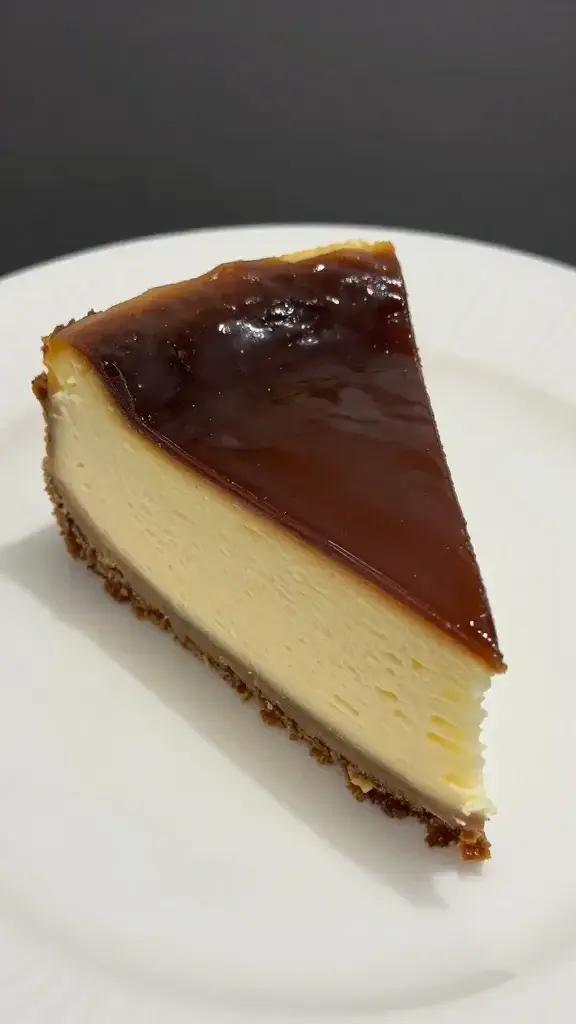
Let’s check off the cringe-worthy moments so you don’t fall into them.
– Cracks on top: come from overbaking or rapid cooling. Fix with glaze or ganache.
– Sunk center: underbaked or fridge shock. Raise bake temp slightly next time or bake a touch longer.
– Crackling edges with a jiggly center: oven too hot or no water bath. Lower heat and keep the bath.
– Crumbly slice: under-set, chilling not long enough. Chill longer before slicing.
Subsection: equipment and technique
– Springform pan: the friend you want. It’s easy on the release, but wrap it tight to keep water out.
– Electric mixer vs. whisk: a gentle mix is your hero. You want silk, not air pockets.
– Kitchen thermometer? Not mandatory, but helpful to confirm doneness.
Show-stopping toppings and presentation
Your cheesecake can be delicious without a fancy topping, but a well-timed flourish makes it feel special.
– Fresh fruit and berry compote
– Caramel or chocolate sauce drizzle
– Whipped cream with a hint of vanilla
– Citrus zest or edible flowers for a photo-worthy finish
Subsection: serving tips
– Chill well before slicing for clean cuts.
– Warm knife between cuts for smooth edges.
– Let slices rest a minute after cutting to soften the bite.
FAQ
How long does a cheesecake take to bake and chill?
It depends on the recipe, but plan on 60–75 minutes of bake time, plus at least 4 hours of chill. Overnight is even better for flavor development.
Can I make cheesecake ahead of time?
Absolutely. It actually benefits from a good chill. Wrap well and refrigerate up to 3–4 days, or freeze for longer storage.
Why does my cheesecake crack?
Cracks usually come from overbaking, rapid cooling, or not using a water bath. Gently bake, keep the heat steady, and give it a slow cool.
Is no-bake cheesecake truly easier?
No-bake can be simpler, but it relies on chilling and setting with gelatin or another stabilizer. It’s a different texture and vibe, but still delicious.
What’s a foolproof base for a cheesecake?
A classic graham cracker crust is reliable. If you’re feeling fancy, try digestive biscuits or a shortbread crust with a pinch of salt to balance the sweetness.
Conclusion
Cheesecake isn’t a mystery wrapped in parchment paper. It’s a friendly dessert that rewards patience, not perfection. With a solid crust, a silky filling, and a patient bake-and-chill mindset, you’ll be serving slices that spark smiles and a few “OMG, is this really homemade?” moments.
If you’re feeling bold, try a new flavor combo next weekend. IMO, a lemon-raspberry swirl or a coffee-chocolate duo can become your new go-to. And if you bomb a batch, FYI: you’re learning, not failing. The beauty of cheesecake is that, with a little practice, you’ll master it without breaking a sweat—just like a pro who knows all the right moves and still loves a good laugh.