
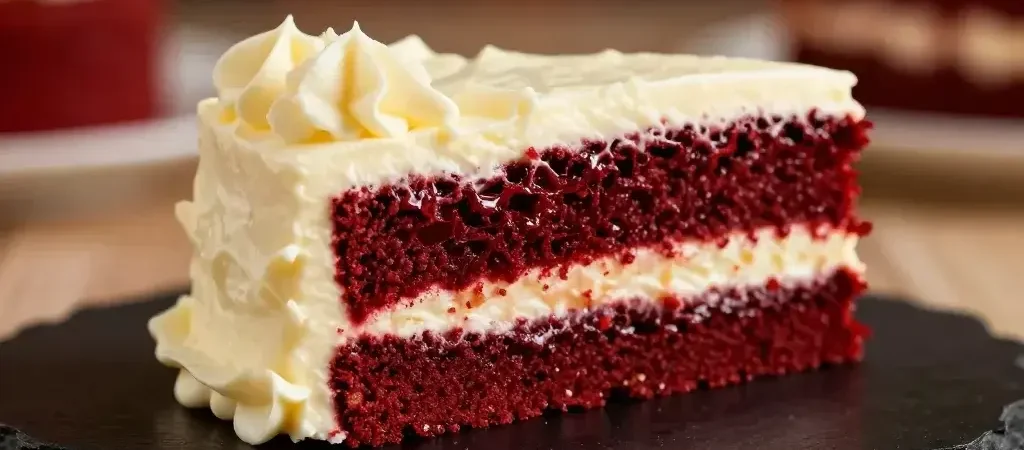
It’s hard to resist red velvet’s glossy allure: vibrant color, a whisper of cocoa, and that tangy cream cheese frosting that somehow forgives every calorie. The cake isn’t chasing trends—it’s comfortably knocking on your door with a velvet-smooth texture and a nostalgia you can practically taste. Let’s dive into why this cake remains a beloved staple, not a one-off pastry phase.
The Classic That Keeps Getting Upgraded
Red velvet isn’t pretending to be fancy. It’s embracing a timeless vibe with a modern twist. The result? A dessert that fits weddings, birthdays, and casual weeknights alike. FYI, that versatility isn’t accidental.
Color, Flavor, and the Mystery of Velvet Texture
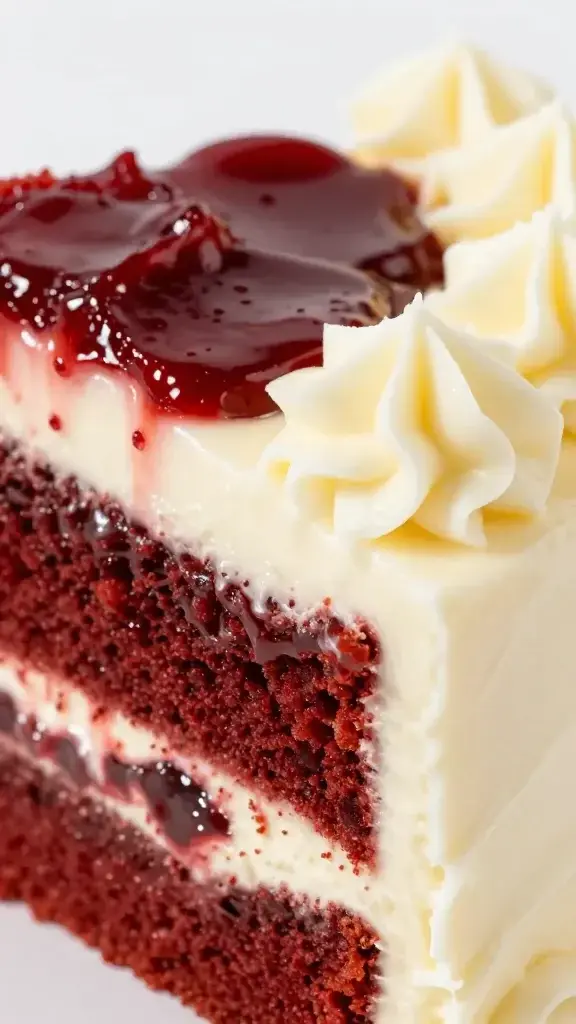
You bite in and expect a crumb that’s tender, almost springy. The magic comes from a careful balance: a hint of cocoa, tangy buttermilk, and just enough fat to melt in your mouth. The color isn’t just for show—it signals a depth that pairs beautifully with cream cheese frosting.
Texture that Feels Like a Cozy Hug
– The crumb should be fine, not coarse.
– A touch of moisture keeps it from drying out.
– The frosting adds a creamy contrast that brightens every bite.
Color Psychology and Nostalgia
Many of us associate red with celebration and warmth. That emotional cue helps red velvet feel like a treat you deserve, even on a Tuesday.
Cream Cheese Frosting: The Real Co-Star
If cake is the entree, the frosting is the dessert’s sidekick that steals the show. Cream cheese frosting brings tang, richness, and a bit of zing. It’s why people don’t just eat the cake—they lick the frosting off the plate (don’t pretend you haven’t). IMO, a slightly tangier frosting makes the cocoa notes pop.
Why Tanginess Works
– Cuts sweetness without dulling it.
– Enhances the cocoa bite.
– Provides balance when the cake is a bit bolder than your average vanilla cake.
Versatility for Every Occasion
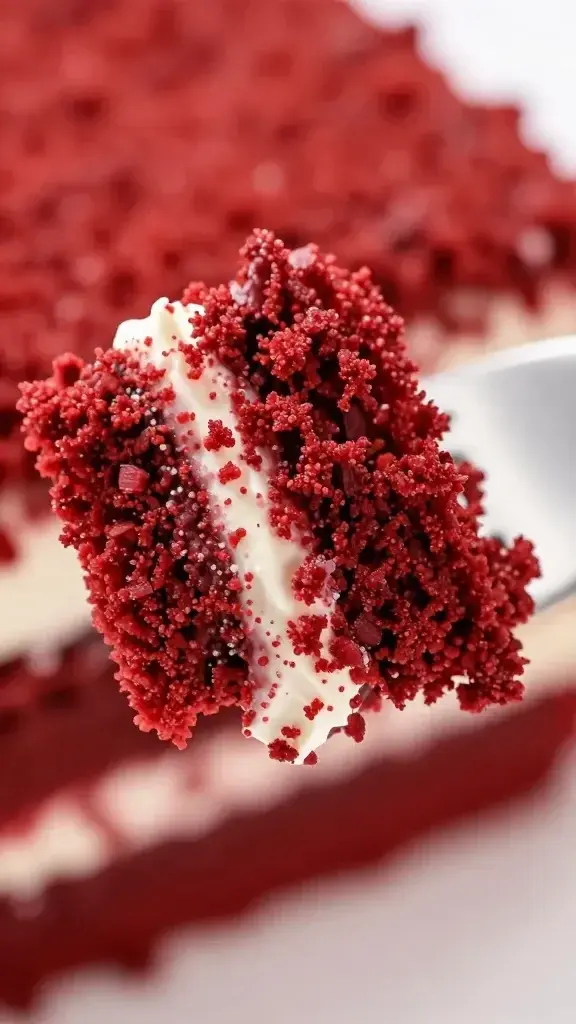
Red velvet shines at weddings, birthday parties, potlucks, and department holiday treats. It’s a crowd-pleaser that doesn’t demand a fancy setup; a simple sheet cake or a tiered masterpiece both work. The drama of the red hue plus the comfort of the familiar flavor makes it a safe bet for almost any event.
Flavor Tweaks Without Losing the Soul
– Swapping buttermilk for yogurt for a lighter version (still delicious).
– Using dark chocolate for a more intense cocoa note.
– Adding a splash of espresso to deepen flavor (shh, secret ingredient).
What Makes It Stand Out in a Sea of Cakes
Red velvet brings a few superpowers to the table: a unique color, a nuanced chocolate flavor, and a frosting that practically begs you to take another slice. It’s not just cake; it’s an experience that feels special without being intimidating.
– The surprise element: people expect vanilla, but red velvet offers something more intriguing.
– The texture payoff: tenderness with a little hold, not crumbly and dry.
– The conversation starter: that iconic color makes photos pop and invites compliments.
Common Myths, Real Talk
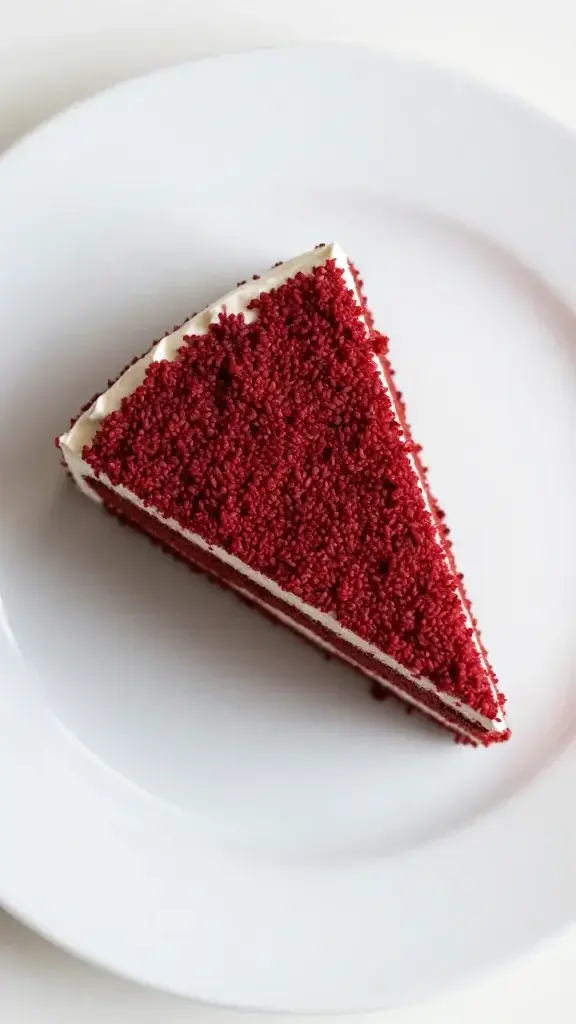
Let’s bust a few myths that still swirl around red velvet like a cork in a celebratory bottle.
Myth: It’s just a fancy chocolate cake
Reality: It’s chocolate-adjacent, but the cocoa note is subtler and the tang from dairy plays a starring role. It’s chocolate’s cooler, more refined cousin.
Myth: It’s all color, no flavor
Reality: The color is eye-catching, sure, but the flavor is the reason you stay for a second slice. The cocoa, buttermilk, and vanilla sing together.
FAQ
Is red velvet cake actually red, or does the color come from food dye?
Red velvet traditionally uses a small amount of cocoa with an acidic reaction from buttermilk or vinegar, which can slightly tint the batter. In many modern recipes, red food coloring is used to amp up the dramatic red. Either way, the flavor stays balanced, and the color adds that signature wow factor.
Can I make red velvet without dairy?
Yes, you can. Use dairy-free buttermilk substitutes (like almond or soy milk with a splash of lemon juice) and a dairy-free cream cheese frosting. The texture stays tender, and you still get that tangy frosting goodness.
What’s the best frosting ratio for a crowd?
Aim for a generous but not overwhelming layer. A classic approach is a thin crumb coat to seal the cake, then a frosting layer about 1/4 to 1/2 inch thick. For a showpiece, go a bit thicker, but test a slice first—no one wants frosting mountains.
Sprinkles, decorations, and presentation—yay or nay?
Absolutely yay. A few tasteful decorations—sprinkles, edible flowers, or a simple dusting of cocoa—can elevate the look without overpowering the flavor.
Any tips for keeping the cake moist?
– Don’t overbake. Check a few minutes early; a clean toothpick with a few moist crumbs is perfect.
– Brush a light sugar syrup on the layers if you’re stacking.
– Store covered at room temperature for a day, or refrigerate if it’s hot and you don’t want the frosting to slide.
Conclusion
Red velvet cake isn’t relic from a dusty cookbook; it’s an enduring favorite because it knows how to balance drama with comfort. It looks festive, tastes familiar, and behaves gracefully in different settings. Whether you’re celebrating something big or just craving a slice after a long day, red velvet delivers with style and a wink. So yes, it’s still one of the most loved cakes ever—and it’s not going anywhere anytime soon. IMO, that’s a good thing.