
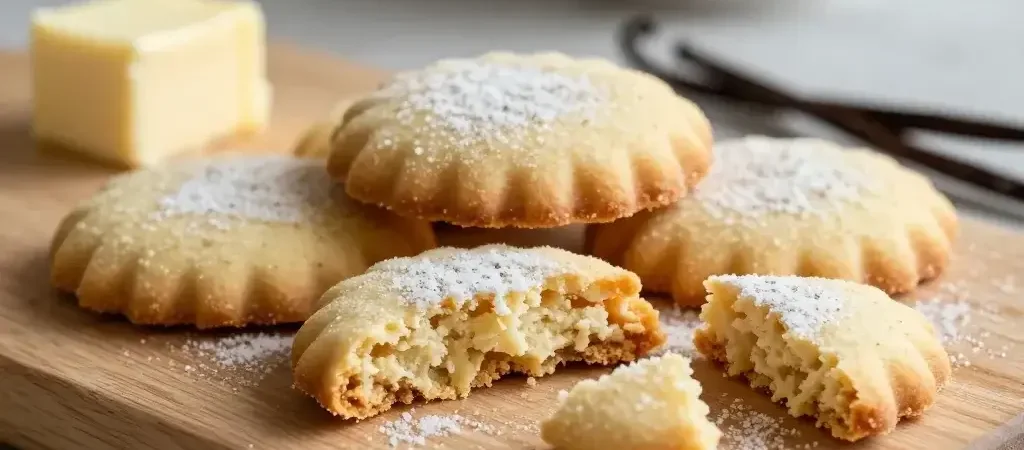
The moment a shortbread cookie hits your tongue, you know you’re in for something special: buttery, barely sweet, and somehow melt-in-your-mouth all at once. No overdone gimmicks, just honest crunch and a dreamy crumb. Ready to bake your new favorite? Let’s dive in.
What makes shortbread so irresistibly melt-in-your-mouth
Shortbread isn’t a fancy trick; it’s stubbornly simple. The magic lies in fat and sugar balance, plus a gentle handling of the dough. Too much mixing and you’ll end up with toughness; too little, and it crumbles like a neglected cookie jar. The goal? A crisp edge with a soft, sandy center that dissolves with a sigh. FYI, the texture is a lot like fine beach sand—compact and comforting at the same time.
Ingredients you actually want on hand
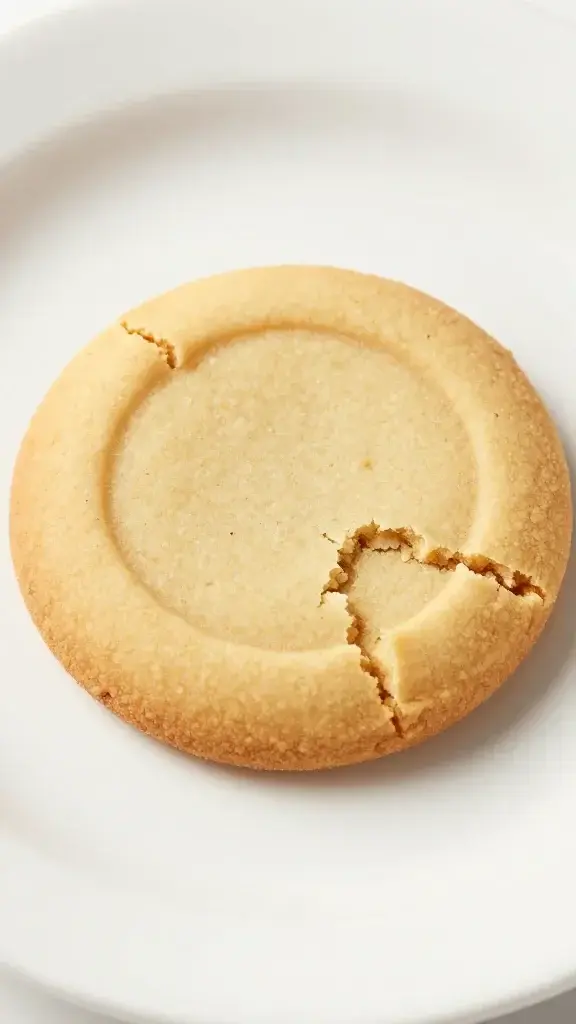
Shortbread shines with just a handful of quality ingredients. Here’s the dream team:
- Butter – unsalted, plenty of it. Cold is fine, but honestly, room temp makes it easier to work with.
- Sugar – superfine or regular granulated; optional dusting of sanding sugar for sparkle.
- Flour – all-purpose works, but a touch of rice flour or cornstarch can make things extra tender.
- Salt – a pinch to wake the flavors.
- Vanilla or almond extract – a whisper of fragrance, not a shout.
– Optional additions: citrus zest for brightness, a few drops of almond extract if you’re feeling fancy, or a light drizzle of chocolate after baking.
Techniques that keep the texture dreamy
The process matters almost as much as the ingredients. Here are practical tips to nail that melt-in-your-mouth texture:
- Creaming vs. rubbing: You’re aiming for a pale, fluffy dough at first, but don’t overwork. If you gomaize the butter too much, you’ll toughen the cookies later.
- Cold dough trick: Wrap and chill. A 30–60 minute chill makes slicing or shaping easier and helps the cookies keep their shape while baking.
- Slice vs. cut: For perfectly neat rounds, roll the dough between parchment sheets and chill again before cutting. Or pat into a log for uniform slices.
- Bake low and slow: A gentle bake sets the edges while preserving that delicate center. Don’t rush with high heat; you’ll lose the melt-in-the-mouth moment.
Flavor experiments you can actually pull off
– Herbs like a whisper of rosemary or thyme can add sophistication, but go light.
– Spices such as a pinch of cardamom or cinnamon can bring cozy vibes.
– Mix-ins: tiny chocolate chips, crushed almonds, or a dusting of cocoa can transform a classic into something new.
Perfectly shaped, perfectly baked

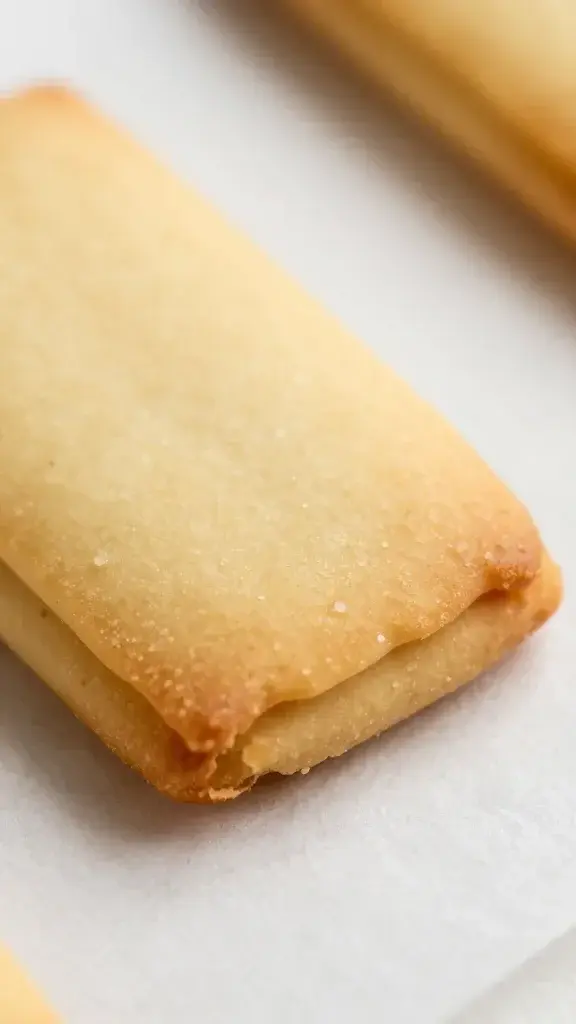
Shape influences texture perception. If you want classic shortbread, the traditional rounds or rectangles are beautiful and reliable. For flair, try a fluted edge or a matte finish with a sugar dusting. The key is even thickness. Uneven cookies bake unevenly, and then you end up with crunchy edges and undercooked centers—no one wants that.
Slice-first or scoop-first?
– If you slice, you’ll get clean, uniform cookies. Chill after shaping for crisp edges.
– If you scoop, you’ll have rustic disks with a soft, fudgy center. Either way, keep them roughly the same size for even baking.
Texture test: how to know you nailed it
You’ll know you’ve achieved that melt-in-your-mouth magic when:
- The cookie breaks with a clean, effortless snap.
- The center feels almost powdery and dissolves on the tongue.
- Edges stay pale with a delicate gold sheen, not a brown crust.
If they taste buttery and lightly sweet and leave you craving more, you’ve hit the sweet spot. If they’re crumbly in a bad way, chill the dough longer next time and trim the bake time.
Storage, freshness, and keeping that softness
Shortbread loves to stay gentle. Store in an airtight container at room temperature for up to a week. Want to extend life? Freeze dough or baked cookies. If you freeze the dough, slice or portion before freezing so you can bake off a fresh batch whenever the mood hits.
– To refresh baked cookies, a quick 5–7 minutes in a warm oven revives the crisp exterior while keeping the center tender.
– For a flavor boost, dust with a tiny pinch of salt and optionally a light sprinkle of sugar just before serving.
Serving ideas that don’t steal the show
Shortbread is a canvas. Here are simple pairings that elevate without overpowering:
- Bright fruit jams for a hit of tart sweetness.
- A cup of tea or coffee—the perfect dunking partner.
- Dark chocolate drizzle or a thin glaze for a fancy touch.
- Whipped cream and fresh berries for an indulgent but quick dessert.
Honestly, you don’t need much to make these cookies shine. They’re comfortable in casual snack moments and dressy enough for a small gathering.
Alternatives if you’re avoiding dairy
– Use high-fat coconut oil or a dairy-free butter substitute.
– Expect a slight shift in texture; you might get a tad crumblier, but tenderness can still shine with careful handling.
FAQ
Can I make shortbread without eggs?
Eggs aren’t part of classic shortbread, so you’re in the safe zone. If a recipe you love calls for an egg, skip it and rely on the butter and flour ratio to bind. It’s okay to be skeptical; this is the shortbread way.
What’s the secret to the melt-in-your-mouth texture?
Keep the dough cool, don’t overwork it, and bake gently until the edges just turn pale. The balance of fat to flour is what truly melts. A pinch of cornstarch or rice flour helps if you want extra tenderness.
Can I flavor shortbread with citrus?
Absolutely. Zest from a lemon or orange adds brightness. Add it to the butter before mixing for even distribution. FYI, a little goes a long way.
How long can I store shortbread safely?
At room temperature in an airtight container, 5–7 days is a good window. If you want longer, freeze the dough or baked cookies. They freeze well and can be thawed quickly for a fresh bite.
Is there a vegan version that still melts beautifully?
Yes, swap butter for a solid plant-based fat with a high fat content. Keep an eye on texture; you may need a touch more flour or a tiny amount of water to bring it together. You might miss the classic dairy melt, but you can still chase a soft crumb.
Conclusion
Shortbread is proof that sometimes less is more. With a handful of good ingredients and a gentle touch, you get a cookie that practically disintegrates on the tongue. No drama, no fuss, just pure butter-soaked bliss. If you bake these with a friend, you’ll hear whispers of “these are dangerous” in the best way possible. So go ahead—grab your apron, roll out that dough, and let the melt-in-your-mouth magic begin.