
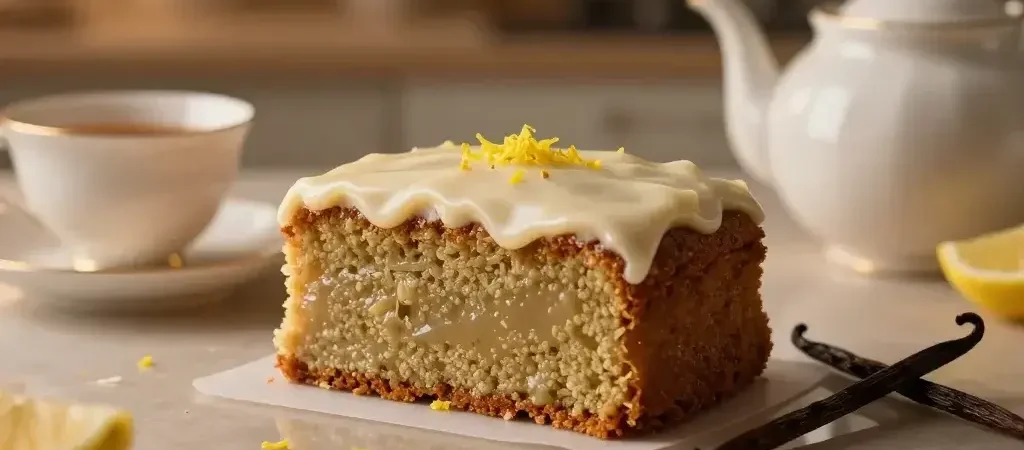
I’ll be honest: London Fog Earl Grey Tea Cake with Vanilla Bean Icing is the kind of pastry that makes you feel cultured and cozy at the same time. It’s the dessert version of a brisk stroll along the Thames—comforting, a little cheeky, and totally worth a standing ovation from your kitchen. Ready to bake something that sounds fancy but is secretly doable? Let’s dive in.
What makes this cake feel so London-y
– It’s all about the tea. Earl Grey brings bergamot brightness that cuts through sweetness without shouting.
– The vanilla bean icing? It’s the velvet rope at the door—soft, fragrant, and exclusive to this flavor party.
What you’re chasing here is balance: a tea-soaked crumb, a gentle citrus note, and a creamy vanilla crown. No need to pretend you’re sipping tea while wearing a tweed blazer to enjoy this; just bake, taste, and smile.
Ingredients that actually make sense
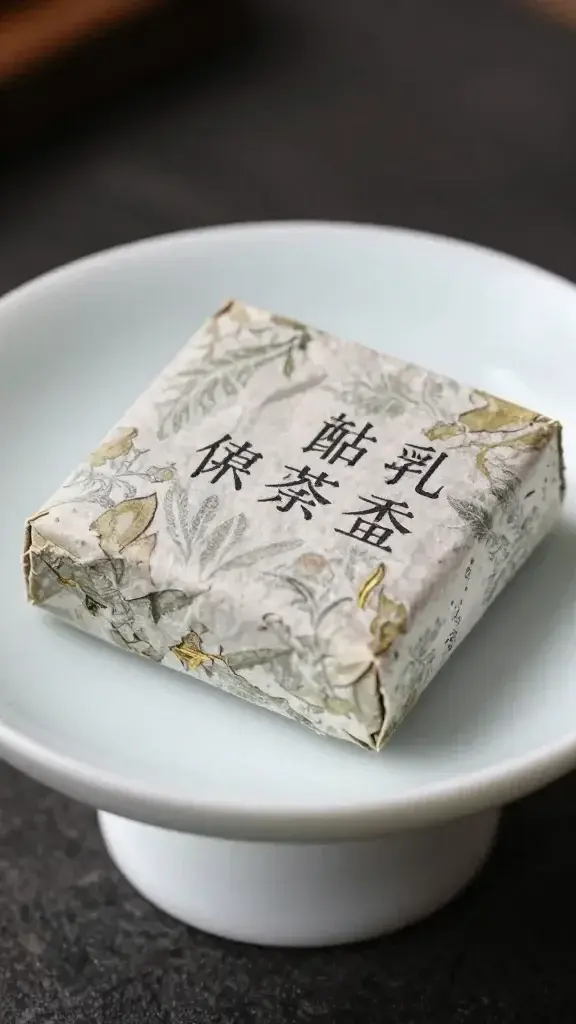
Here’s the short list you’ll want on your grocery trip. Don’t panic if you don’t have every item—most are pantry staples.
- All-purpose flour
- Sugar (granulated for the cake, powdered for the icing)
- Butter, softened
- Eggs
- Milk (or a splash of cream for extra richness)
- Earl Grey tea (loose leaves or bags, but loose leaves let the flavor bloom)
- Vanilla bean or vanilla bean paste
- Baking powder and a pinch of salt
- Optional: a touch of lemon zest for brightness
- Confectioners’ sugar for the icing
Tip: If you’re using tea bags, crush them a bit to release more aroma. FYI, you’ll steep the tea in warm milk to really wake up the flavor.
The bake-before-you-begin mindset
Baking is a bit of a rhythm game. Here’s how to keep the tempo smooth:
– Preheat to a steady 350°F (175°C) so the moment you drop batter in, the oven’s ready to go.
– Gather your tools: mixing bowls, a whisk, a spatula, and a 9-inch round cake pan lined with parchment.
– Make sure your butter is softened but not melty. When you press, it should leave a gentle imprint, not a puddle.
This cake isn’t trying to be dramatic; it’s aiming for a soft, evenly baked crumb. If you’re new to tea-infused bakes, think of it as babysitting a delicate flavor that wants to shine without shouting.
Step-by-step: from steep to slice
Here’s the flow that yields a moist, tea-kissed crumb.
- Steep the tea: Heat milk until warm, then steep Earl Grey leaves or bags for 5-7 minutes. Strain well to avoid grassy notes.
- Cream the butter and sugar: Beat until pale and fluffy. This is where the magic happens—lightness is your friend.
- Whisk in eggs: Add one at a time so the batter stays cohesive.
- Combine dry ingredients: Flour, baking powder, and a pinch of salt. Sift if you want to keep things airy.
- Alternate wet and dry: Start with dry, then a splash of tea-infused milk, until you’ve got a smooth batter.
- Add vanilla: If you’re using a vanilla bean, scrape those little seeds in for vanilla-speck magic.
- Bake to golden: About 25-30 minutes, until a toothpick comes out clean. Don’t over bake, or you’ll risk a dry crumb.
- Cool and glaze: Let the cake cool completely before you crown it with the vanilla bean icing.
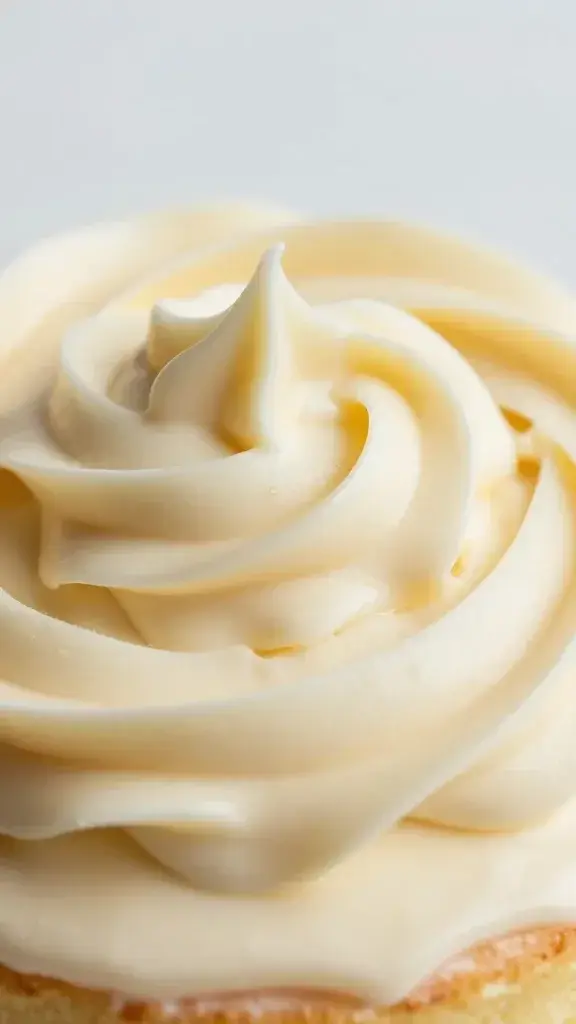
A creamy crown: Vanilla Bean Icing
Icing should feel like a soft hug, not a helmet. Here’s how to get that velvety finish.
- Butter: Room temperature, plenty of it. You want a lush base.
- Powdered sugar: Sweet, but not cloying. Sift for a smooth texture.
- Vanilla bean paste or seeds: Spoiler—this is where the aroma skyrockets.
- Milk or cream: Just enough to loosen the texture to a spreadable glaze.
– Beat butter until fluffy, then gradually add powdered sugar.
– Scrape in vanilla bean seeds and a pinch of salt to deepen the flavor.
– Add milk a little at a time until you reach a spreadable consistency.
– Frost the cooled cake in a generous, swooping motion. If you’re feeling brave, create a few decorative swirls with a spatula.
Pro move: A thin layer under the icing will lock in moisture and give you a smoother finish.
Flavor balance: how to taste and tweak
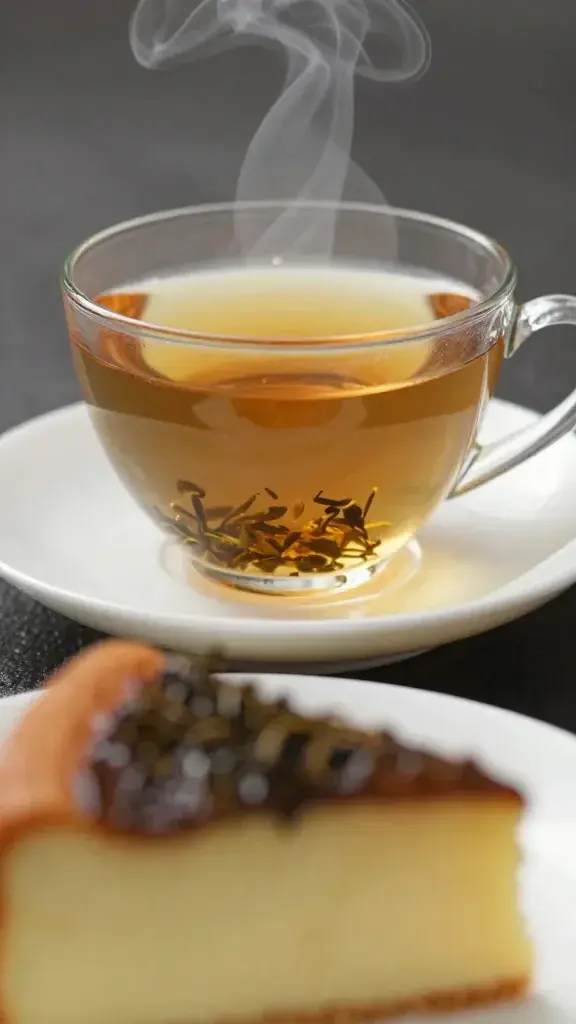
Earl Grey can be a diva if you push it too hard. Here’s how to keep the tea’s charm without turning the cake bitter.
– Milk tea ratio: If your tea flavor feels faint, steep longer or use a touch more tea. If it’s overpowering, scale back next time.
– Citrus lift: A tiny bit of lemon zest on the cake batter brightens the gray tea notes without clashing with vanilla.
– Vanilla intensity: If you used vanilla bean, you’ve already got a natural perfume. Vanilla bean paste brings a robust, aromatic bite—perfect for icing.
Ask yourself: Do I want the tea to whisper or to sing? Either way, taste as you go, then adjust in small steps. IMO, precision is for the lab; baking is for joy.
Serving ideas and presentation
You don’t have to pretend you’re hosting a high tea to enjoy this cake. Here are easy ways to serve it beautifully.
- Dust with a little extra powdered sugar for a tidy finish.
- Pair with a hot cup of Earl Grey or a latte for a cozy afternoon duo.
- Slice thinly on a cake stand and add fresh berries for a pop of color.
- Wrap leftovers tightly and refrigerate; the flavors deepen after a day, FYI.
If you want a more formal presentation, place a thin ribbon around the cake or serve slices on small dessert plates with a sprig of mint. It’s the little touches that say “I baked this with intention.”
Subsection: TEA-CRISP vs TEA-SOFT — finding your texture sweet spot
H3: The TEA-CRISP moment
If you like a cake with a gentle bite, give the crumb a bit more bake time or slightly higher oven temperature to create a crisp edge. It’s the kind of texture that makes you say, “Yes, I can have seconds and still feel classy.”
H3: The TEA-SOFT moment
If you prefer a tender, almost melt-in-your-mouth crumb, opt for a shorter bake or a touch more moisture in the batter. This mode loves a tiny splash of extra milk.
Whatever route you choose, the vanilla icing will harmonize with the texture. It’s the glue that keeps the whole vibe cohesive.
FAQ
Can I use tea bags or should I go loose leaf?
Both work, but loose leaf tea tends to release a brighter, more nuanced aroma. If you’re using bags, crush them gently to maximize surface area. Either way, strain well to keep the cake from tasting like tea leaves glow-in-the-dark inside your crumb.
What if I don’t have vanilla bean paste?
Vanilla extract will do in a pinch, but vanilla bean paste delivers those romantic vanilla flecks and a deeper flavor. If you only have extract, use a little more than the recipe calls for to compensate for the missing seeds.
Is it okay to bake the cake a day ahead?
Absolutely. Bake, cool, wrap, and store at room temperature for up to a day or refrigerate for longer storage. The icing is best added close to serving, but you can frost and refrigerate the iced cake if you’re short on time.
Can I adapt this for a dairy-free or vegan version?
Yes, you can experiment with dairy-free butter and plant-based milk. The texture may shift slightly, but a well-balanced almond or oat milk plus a dairy-free butter substitute can still give you a delicious result. For the icing, look for a vegan powdered sugar and dairy-free butter option, and you’ll still get that silky finish.
How do I keep the cake moist?
Don’t overbake, and consider a splash of milk or a simple syrup brushed on the cooled cake before icing. A tiny amount of orange or lemon zest in the batter can also help preserve moisture and brighten the flavor.
Conclusion
If you want a dessert that feels like a charming London afternoon—cozy, a little cheeky, and undeniably delicious—this London Fog Earl Grey Tea Cake with Vanilla Bean Icing hits the spot. It’s not about proving you can bake something fancy; it’s about savoring a slice and trading smug crumbs of joy with friends. IMO, this is the kind of cake that makes you want to host a tea party just so you have an excuse to bake it again. Enjoy, and may your kitchen be forever fragrant with bergamot and vanilla bliss.