
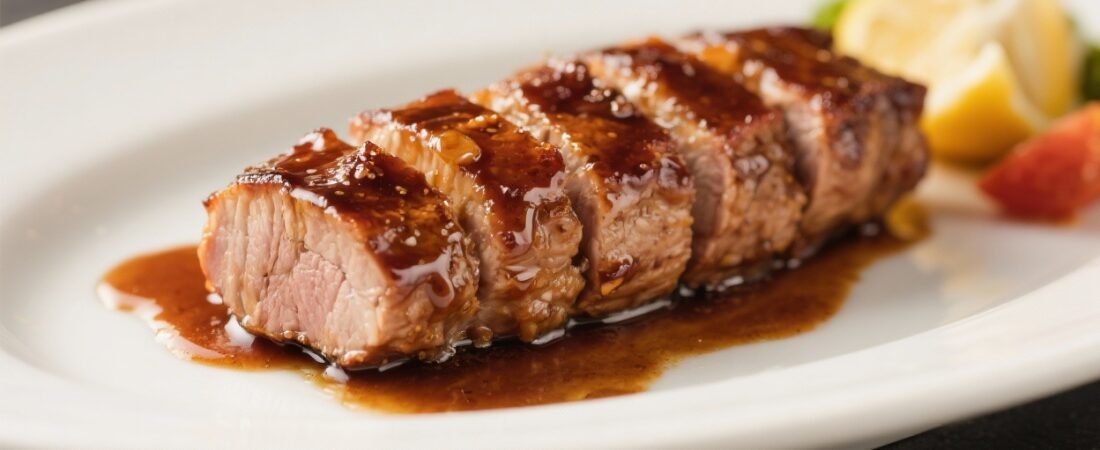
This is the kind of dinner that makes the whole house smell amazing. Brown Sugar Bourbon Pork Tenderloin hits that sweet spot between comfort and a little flair. It’s tender, full of flavor, and cooks quickly enough for a weeknight.
The glaze is sticky, caramelized, and a little smoky, with just enough bite from the bourbon. Serve it with roasted potatoes, creamy grits, or a simple salad, and you’re set.
What Makes This Recipe So Good
- Balanced flavors: The brown sugar brings a gentle sweetness that pairs beautifully with bourbon, garlic, and smoky spices.
- Quick cook time: Pork tenderloin cooks fast. You can go from marinating to dinner in under an hour, depending on your timing.
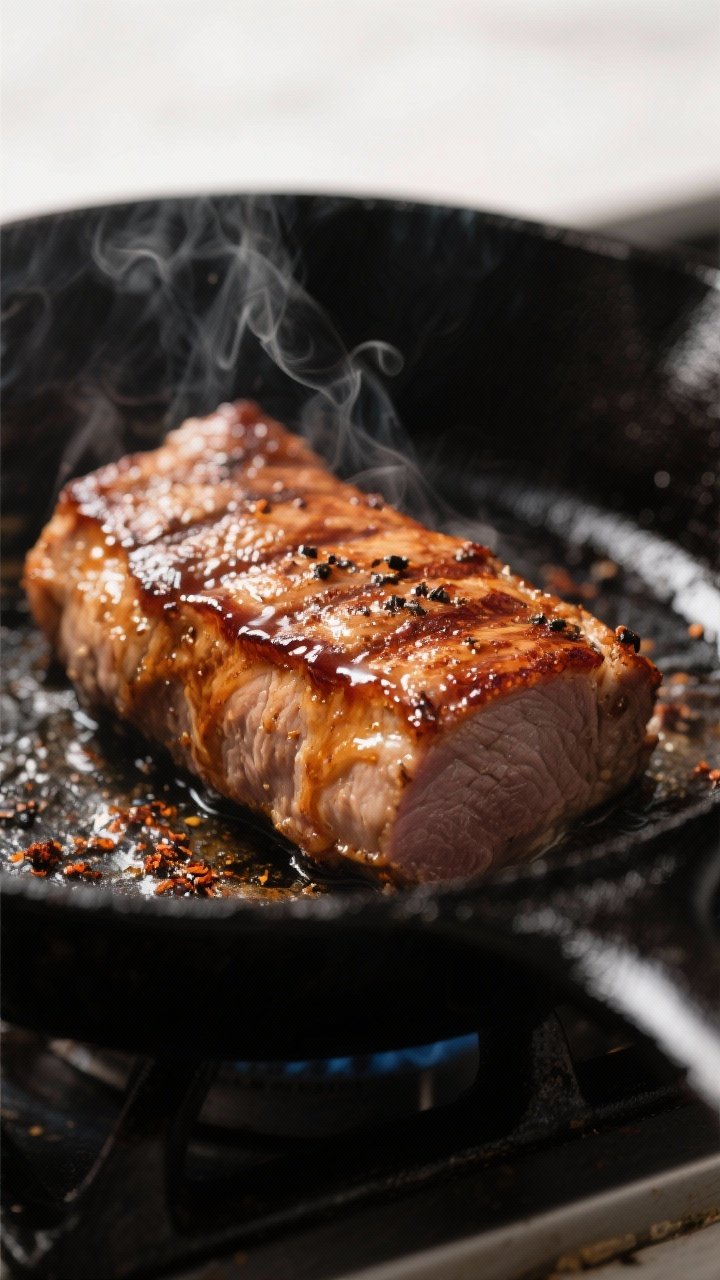
- Juicy and tender: Searing then roasting locks in moisture and builds that glossy, caramelized crust.
- Flexible for any occasion: Fancy enough for guests, simple enough for a Tuesday night.
- Uses pantry staples: No unusual ingredients.
Most of these items are already in your kitchen.
What You’ll Need
- 1–1.5 lb pork tenderloin, trimmed of silver skin
- 2 tablespoons brown sugar (light or dark)
- 2 tablespoons bourbon (or apple juice for a non-alcohol option)
- 1 tablespoon Dijon mustard
- 1 tablespoon soy sauce (or tamari)
- 1 tablespoon apple cider vinegar
- 2 cloves garlic, finely minced
- 1 teaspoon smoked paprika
- 1/2 teaspoon onion powder
- 1/2 teaspoon kosher salt (plus more to finish)
- 1/2 teaspoon black pepper
- 1–2 tablespoons olive oil (for searing)
- Optional: pinch of red pepper flakes for heat
- Optional finish: 1 tablespoon butter to enrich the pan sauce
Instructions
- Make the marinade: In a small bowl, whisk together brown sugar, bourbon, Dijon, soy sauce, apple cider vinegar, garlic, smoked paprika, onion powder, salt, pepper, and red pepper flakes if using.
- Prep the pork: Pat the tenderloin dry and trim any silver skin. Place it in a resealable bag or shallow dish. Pour in half the marinade and turn to coat.
Reserve the remaining half for glazing.
- Marinate: Refrigerate for at least 30 minutes and up to 8 hours. If short on time, even 20 minutes helps. Bring the pork to room temperature for 15–20 minutes before cooking.
- Preheat: Heat the oven to 400°F (205°C).
Set an oven-safe skillet (cast iron is perfect) over medium-high heat and add olive oil.
- Sear: Remove the pork from the marinade, letting excess drip off. Sear for 2–3 minutes per side until nicely browned. Don’t move it too much; let it build a crust.
- Glaze and roast: Brush the tenderloin with some of the reserved marinade.
Transfer the skillet to the oven and roast for 12–16 minutes, brushing once or twice more with the marinade.
- Check temperature: Pull the pork when the thickest part reaches 140–145°F (60–63°C) on an instant-read thermometer. It will rise a few degrees as it rests.
- Rest: Move the tenderloin to a cutting board, tent loosely with foil, and rest for 8–10 minutes. This keeps it juicy.
- Make a quick pan sauce (optional): While the pork rests, place the skillet over medium heat.
Add any remaining reserved marinade and a splash of water. Simmer for 2–3 minutes, stirring. Whisk in butter for a glossy finish.
Season to taste.
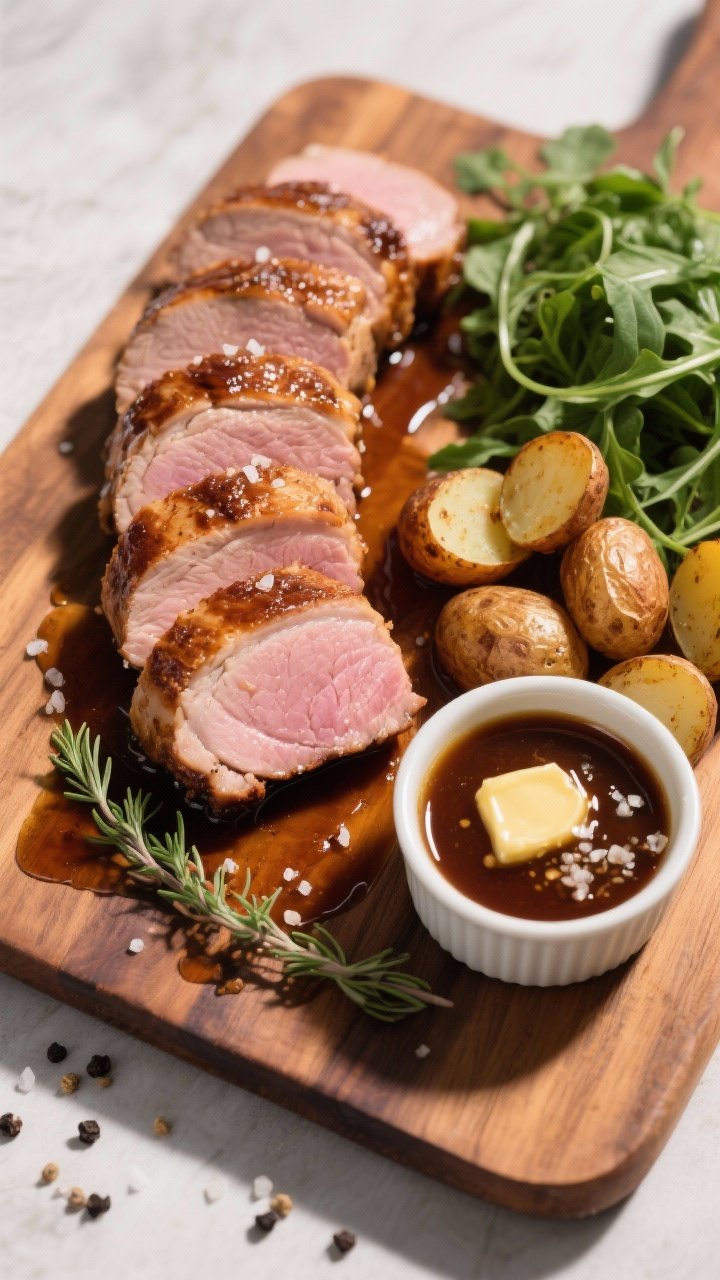
- Slice and serve: Slice into 1/2-inch medallions. Spoon sauce over the top and finish with a pinch of flaky salt if you like.
Storage Instructions
- Refrigerate: Store leftovers in an airtight container for up to 3–4 days.
- Reheat gently: Warm slices in a covered skillet over low heat with a splash of water or broth until just heated through. Avoid microwaving on high, which dries them out.
- Freeze: Wrap tightly and freeze for up to 2 months.
Thaw overnight in the fridge before reheating.
- Use leftovers: Great in grain bowls, sandwiches with arugula and mayo, or tossed with sautéed veggies.
Why This Is Good for You
- Lean protein: Pork tenderloin is one of the leanest cuts of pork, offering high-quality protein with less fat.
- Smart sweetness: A little brown sugar goes a long way, helping caramelization without making the dish overly sweet.
- Balanced flavors mean satisfaction: When food hits sweet, savory, salty, and smoky notes, you feel more satisfied with reasonable portions.
- Flexible sides: Pair with roasted veggies, a green salad, or whole grains to round out the meal.
What Not to Do
- Don’t overcook it: Going past 145°F leads to dry pork. Use a thermometer for accuracy.
- Don’t skip the rest: Cutting too soon drains the juices. Resting keeps the meat tender and moist.
- Don’t boil the marinade on the meat: Reserve half for glazing.
The part used to marinate raw meat shouldn’t be reused unless boiled thoroughly in a pan sauce.
- Don’t overcrowd the pan: You need contact and heat to sear. If the pan is small, sear in stages.
- Don’t use a very sweet bourbon: It can push the glaze too sweet. A standard bourbon works best.
Recipe Variations
- Grill it: Sear over direct heat for 2–3 minutes per side, then finish over indirect heat until 140–145°F.
Brush with glaze as it cooks.
- Slow cooker: Sear first, then cook on low for 2–3 hours with the glaze until tender. Reduce the juices on the stove to thicken.
- Maple twist: Swap half the brown sugar for pure maple syrup for a deeper, woodsy sweetness.
- Spicy version: Add 1 teaspoon chili paste or extra red pepper flakes to the marinade.
- Apple-forward: Replace bourbon with apple juice and add 1/2 teaspoon ground mustard; serve with sautéed apples and onions.
- Herb crust: After searing, pat on a mix of chopped fresh rosemary and thyme before roasting.
- Gluten-free: Use tamari or coconut aminos in place of soy sauce.
FAQ
Can I use pork loin instead of tenderloin?
Pork loin is thicker and takes longer to cook, so the timing will change. If substituting, roast at 350°F and plan for 45–60 minutes depending on size.
Use the same glaze and cook to 145°F internal temperature.
Is there a substitute for bourbon?
Yes. Apple juice, apple cider, or even orange juice work well. You’ll still get sweetness and acidity, just without the boozy warmth.
Add a drop of vanilla for extra depth if you like.
How long should I marinate the pork?
At least 30 minutes helps, but 2–4 hours is ideal for deeper flavor. Avoid marinating overnight with a high-acid mixture, which can make the texture a bit mushy.
What sides go best with this?
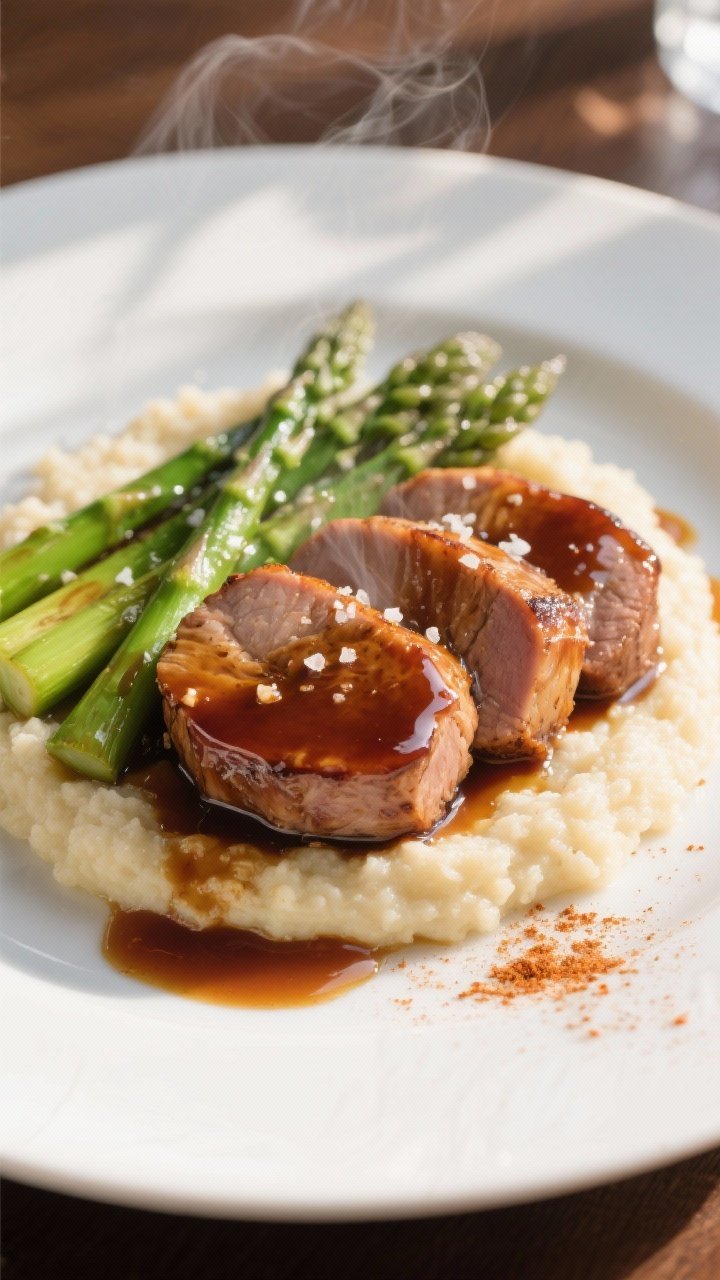
Roasted sweet potatoes, garlic mashed potatoes, green beans, grilled asparagus, or a simple arugula salad are all great. Cheesy polenta or creamy grits also match the sweetness and smoke.
How do I know when it’s done without overcooking?
Use an instant-read thermometer and pull at 140–145°F.
Rest for 8–10 minutes before slicing. The center should be slightly blush, which is safe and juicy.
Can I make it ahead?
You can marinate the pork up to 8 hours ahead. Sear and roast just before serving for the best texture.
The sauce can be made and reheated gently.
Will the alcohol cook off?
Most of it will, especially during roasting and sauce reduction. If avoiding alcohol entirely, use apple juice and you’ll still get great flavor.
Wrapping Up
Brown Sugar Bourbon Pork Tenderloin is simple, quick, and big on flavor. The glaze gives a gorgeous shine and a sweet-smoky bite, while the tenderloin stays juicy and tender.
Keep a thermometer handy, don’t skip the rest, and you’ll have a reliable go-to dinner that feels special without being fussy. Serve it with your favorite sides, and enjoy the kind of meal that brings everyone to the table.
Printable Recipe Card
Want just the essential recipe details without scrolling through the article? Get our printable recipe card with just the ingredients and instructions.