
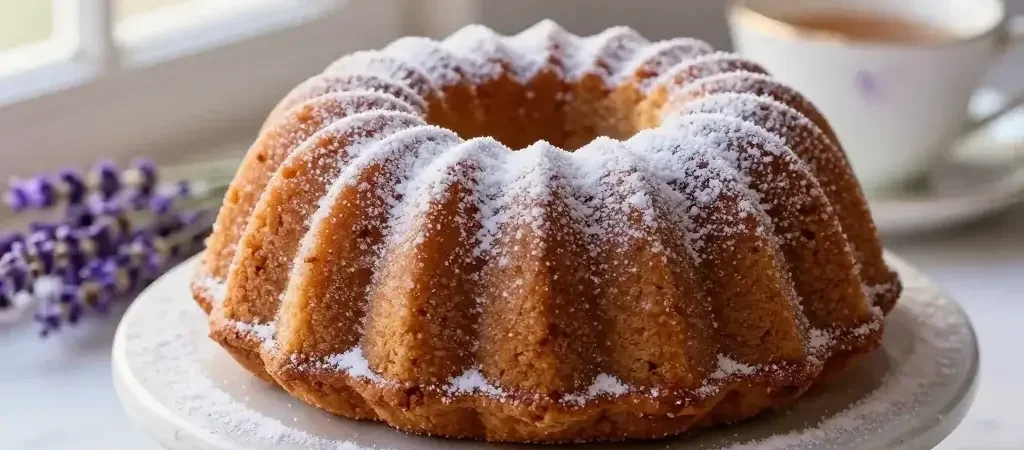
The first bite is all about mood: bright lemon fragrance, a whisper of lavender, and the kind of crumb that makes you nod in serious approval. This Lavender Earl Grey Bundt Cake isn’t just dessert; it’s a little spa day for your taste buds. Yes, we’re talking tea-inspired magic tucked into a gorgeous bundt pan.
Why Lavender Earl Grey? The Flavor Scoop
Lavender and Earl Grey are basically pantry royalty when it comes to cozy, fragrant treats. The bergamot in Earl Grey adds citrusy notes that keep things from feeling flowery-for-the-sake-of-it. Lavender provides a soft floral lift without tipping into soap-adjacent territory—if you use a light hand. Think perfumed garden meets afternoon tea, not a perfume ad.
– Balance is everything: you want the lavender to whisper, not shout.
– Texture matters: bundt cake is inherently elegant; you’ll want a tender crumb that mirrors the perfume-level aroma.
– Fragrance strategy: add lavender in two stages (a little in the batter, a touch in the glaze if you’re feeling bold).
FYI, the result is a cake that smells like a cozy library and tastes like a well-timed weekend.
The Batter Blueprint: Ingredients and Ratios
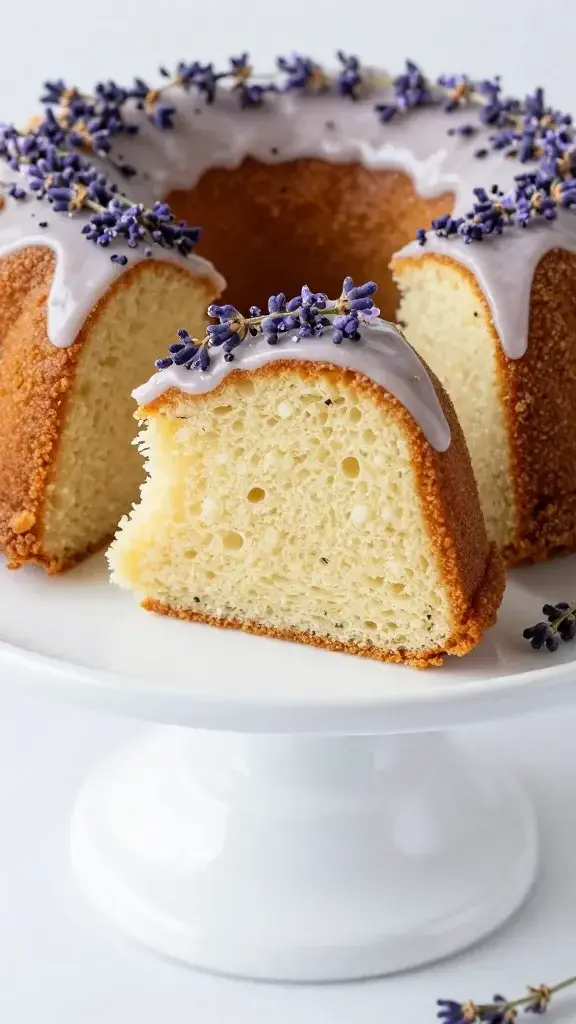
This part feels like chemistry class but it’s basically kitchen magic. Here are the moves I use, with flexibility baked in.
– 2 cups all-purpose flour
– 1 1/2 teaspoons baking powder
– 1/4 teaspoon baking soda
– 1/2 teaspoon salt
– 1/2 cup unsalted butter, softened
– 1 cup granulated sugar
– 2 large eggs
– 1 teaspoon vanilla extract
– 1 tablespoon finely grated lemon zest
– 1 tablespoon loose-leaf Earl Grey tea, finely ground
– 1/2 cup whole milk
– 2 tablespoons dried culinary lavender buds (or 1 tablespoon if you’re cautious)
Glaze: 1/2 cup powdered sugar, 2–3 teaspoons lemon juice, a pinch of lavender (optional)
– Tip: grind the Earl Grey leaves in a spice grinder to keep the tea particles fine. You don’t want random large flecks in every bite.
- Cream butter and sugar until pale and fluffy. This builds the crumb’s tenderness.
- Beat in eggs one at a time, then vanilla and lemon zest for brightness.
- Whisk dry ingredients. Sift the tea with the flour so it distributes evenly.
- Alternate adding dry and wet ingredients, finishing with milk. Don’t overmix—the gluten will take a nap if you’re not careful.
Tea-Time Tricks: Infusion and Flavor Layering
This cake thrives on layered aroma. It’s not enough to drop lavender in the batter and call it a day. Here’s how to build that multi-note fragrance:
– Infuse the milk: Heat the milk gently with lavender buds for 5 minutes, then strain. This soaks the milk with calm, floral notes without making the cake taste like potpourri.
– Quick tea infusion: Use the finely ground Earl Grey in the batter, but don’t rely on it alone. The baking powder will release flavors as the cake rises.
– Finish with a subtle glaze: A lemony glaze adds a clean contrast to the floral sweetness and ties the whole thing together.
Perfect Bundt-ness: Pan Prep and Bake Time
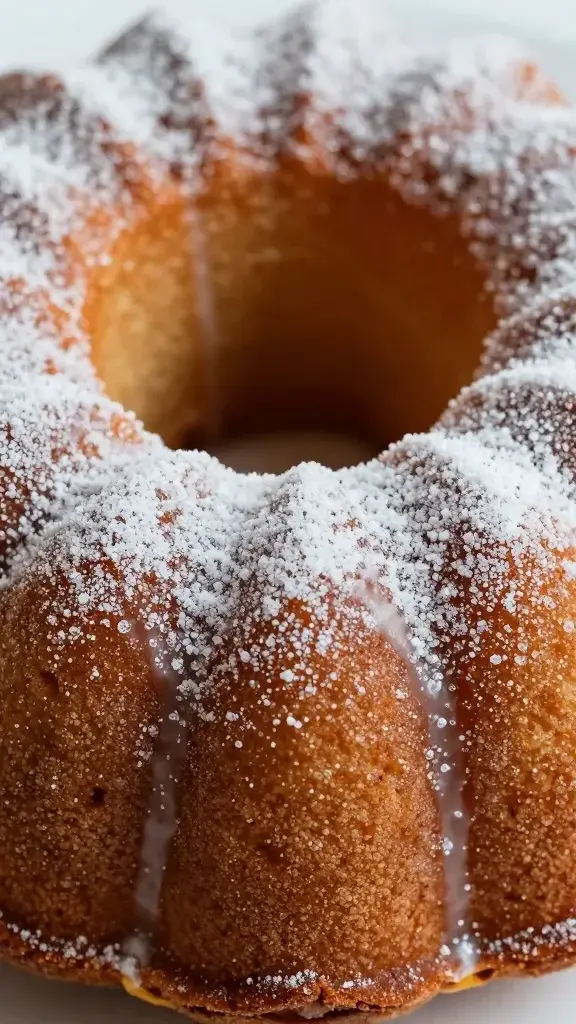
The bundt pan is dramatic, but it’s not forgiving if you don’t treat it right. A little prep goes a long way.
– Greasing game: Thoroughly grease every curve with butter, then dust with flour or use a nonstick spray. You want the cake to release without a chunk of crust staying behind.
– Even heat: If your oven runs hot in the back or has hot spots, rotate the pan halfway through baking.
– Bake time: 50–60 minutes at 350°F (175°C). Start checking at 45 minutes with a skewer; it should emerge with a few moist crumbs, not wet batter.
– Cool down patience: Let the cake cool in the pan for 15–20 minutes, then invert onto a rack. If you rush the release, you’ll end up with a misshapen bundt and a lot of regret.
The Test-We-Trust Method
– A skewer should come out with a few moist crumbs, not wet batter.
– The surface should spring back gently when pressed.
– If the top is deeply golden or cracking, you’re flirting with overbake—pull back a few minutes next round.
Delicate Sugar Dusting: The Finishing Flourish
The sugar dusting is the final touch that makes this cake feel special. It’s like a micro-snowfall of sweetness.
– Powdered sugar works best: Lightly sift to avoid clumps. Clumps turn into sugar granite in your mouth, which is not the vibe.
– Lavender dusting: If you want a refined look, sift a tiny bit of lavender dust on top. Only a whisper is needed.
– Clean finish: A quick lemon zest micro-tickle on top adds color and a zing of brightness.
Serving Suggestions: Pairings and Presentations
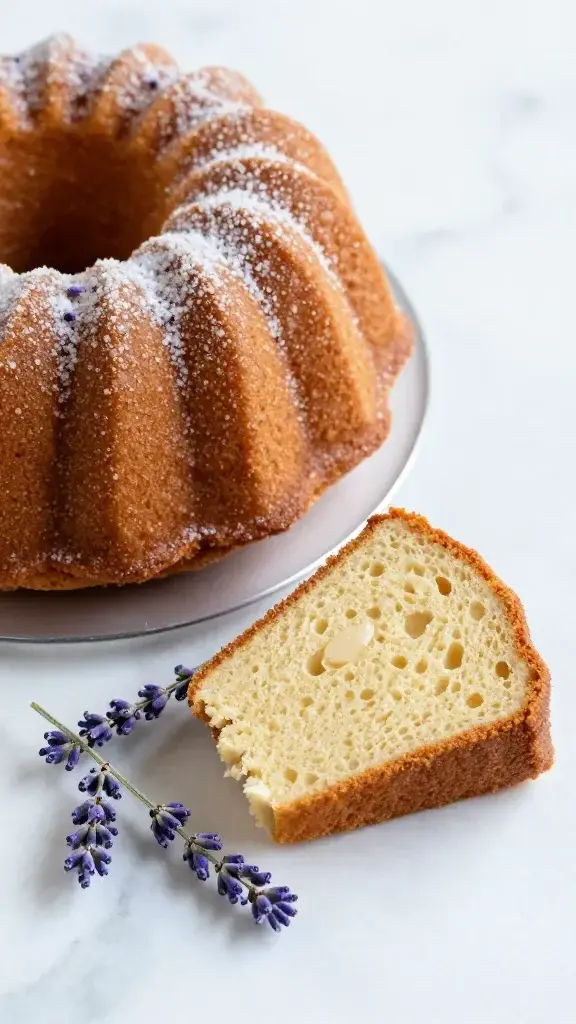
This cake shines with simple accompaniments that don’t steal the spotlight from the star.
– Beverages: A hot pot of Earl Grey or a lightly sweetened chamomile tea pairs beautifully. Cold: a vanilla bean latte works surprisingly well.
– Toppings: A dollop of lightly sweetened whipped cream or a drizzle of lemon glaze adds creaminess and tang.
– Slices: Serve with fresh berries or a quick berry compote for color contrast and acidity to balance the sweetness.
Adaptations: Variations for Different Occasions
Feel free to tune this cake for different vibes, because flexibility is your friend.
– Year-round cozy: Keep the lavender and lemon, perhaps add a splash of vanilla cream frosting for a cake-y birthday treat.
– Spring brunch: Add a poppy seed for color and a subtle crunch. It gives a nice texture contrast to the soft crumb.
– Grown-up twist: Replace some of the milk with sour cream for extra moisture and a tangy note that plays well with bergamot.
Glaze Variations
– Classic lemon glaze: Lemon juice + powdered sugar with a pinch of zest.
– Earl Grey glaze: A tiny amount of brewed Earl Grey concentrated into the glaze for a more tea-forward finish.
– Honey-vanilla glaze: A drizzle of honey in the glaze adds warmth and depth.
Frequently Asked Questions
Can I bake this as a sheet cake instead of a bundt?
Yes, you can. Use a 9×13-inch pan and bake at 350°F (175°C) for about 25–30 minutes. Keep an eye on it; you want a tender, not dry, crumb with a hint of spring.
What if I don’t like lavender that much?
Leave out the lavender in the batter and glaze, or reduce to a pinch. The Earl Grey and lemon still yield a fragrant, tea-seasoned cake that’s perfectly lovely without the floral punch.
How long does it keep?
Wrap tightly and store at room temperature for 2–3 days, or refrigerate up to 5 days. You’ll get the best texture if you let it come to room temp before serving.
Can I freeze the batter or the baked cake?
Both work, with caveats. Freeze the batter for up to 2 months before baking; thaw in the fridge overnight and bake as directed. Freeze baked cake slices for up to 1 month; thaw at room temp and dust with a little sugar to revive the glaze.
What other teas would pair well?
If you want to experiment, consider an orange pekoe or a smoky lapsang souchong for a bolder alternative. The floral notes of lavender play nicely with bergamot, but a drier tea can offer a different mood.
Conclusion: A Bundt You’ll Reach For Again
There’s something undeniably charming about a bundt cake that looks this good and tastes this comforting. Lavender Earl Grey brings a whisper of floral elegance, while the bergamot punch keeps it lively. The delicate sugar dusting is the perfect finish, adding that “polished to perfection” vibe without being too precious.
If you’re ever in that mood for a bake that feels thoughtful but not stuffy, this cake is your friend. It’s the kind of treat you bring to a tea party, a Sunday brunch, or a borrowed-idea-from-a-friend dinner where you want a little sparkle but no fuss. IMO, it’s the perfect balance of fancy and cozy, wrapped in a single gorgeous bundt.
Enjoy the ritual: measure with care, breathe in the lavender, and serve with a smile. You’ll be surprised how quickly this becomes your go-to crowd-pleaser.