
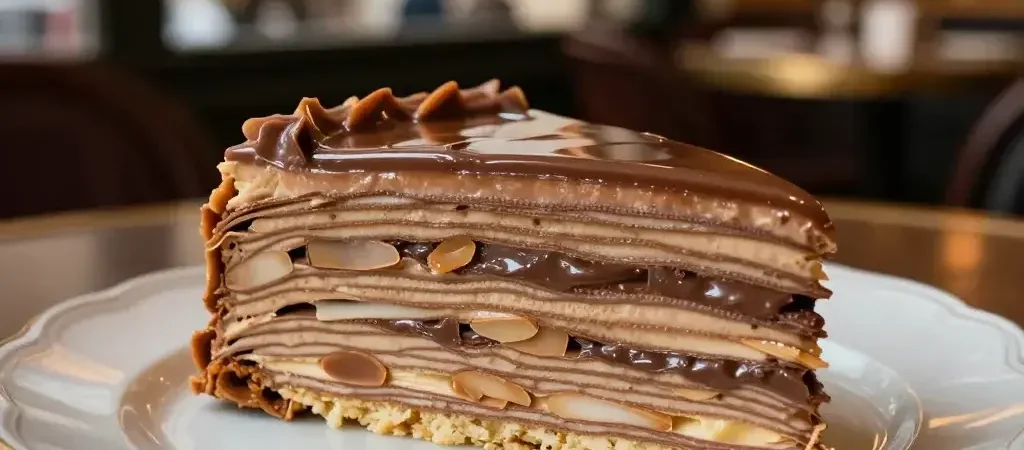
The first bite of Opera cake feels like a parade of elegance—delicate, layered, and somehow both fancy and familiar at once. It looks like a piece of art, but it tastes like a well-kept secret you want to share with everyone. If you’ve ever wondered what all the fuss is about, you’re in the right pastry-loving company. Let’s unwrap the mystery with a wink and a fork.
What makes Opera cake so instantly recognizable
Opera cake isn’t just a dessert; it’s a signature moment in a pastry chef’s career. The name alone evokes Parisian cafés, velvet curtains, and a side of jazz. The key is in the construction: alternating thin layers of almond sponge (joconde), coffee buttercream, and chocolate ganache. It’s a delicate balance of textures—slightly chewy, decadently creamy, and luxuriously smooth.
- The exterior is quiet and classy, not shouting with fruit glitz or candy-coated drama.
- Inside, every bite delivers a chorus of flavors that don’t overpower each other.
- Presentation matters: the glossy glaze on top is the perfume, the layers are the wardrobe, and the slice is the entrance song.
The essential components that make it sing
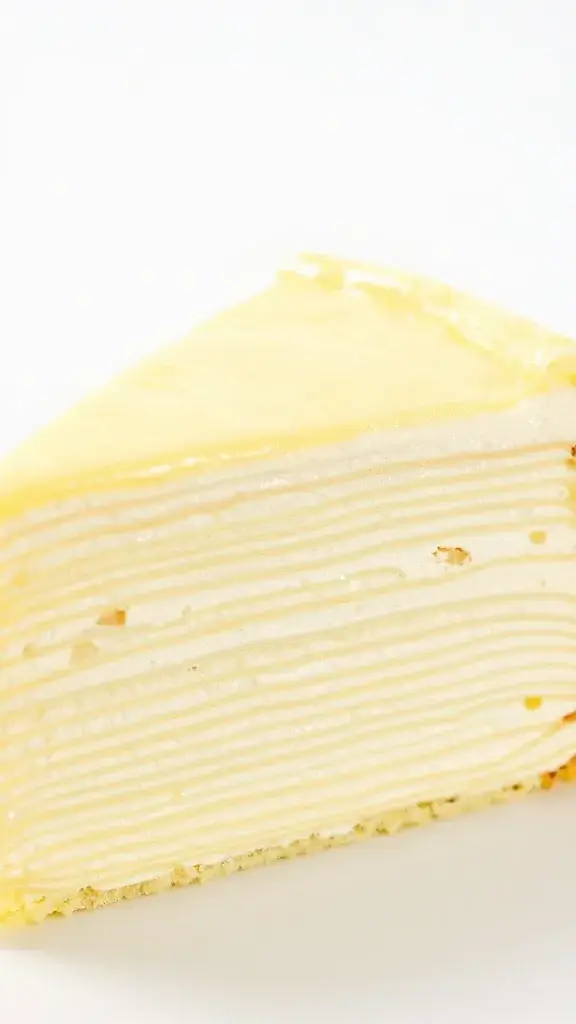
There are a few star players in Opera cake that you’ll want to recognize when you order or bake it at home.
Joconde sponge: the quiet foundation
– A light almond sponge, baked thin and sliced into tongue-friendly rectangles.
– It gives the cake its signature lift without heaviness.
– It’s the sponge you want to hug when you’re not hungry for carbs but still crave texture.
Coffee buttercream: the aroma that lingers
– Rich, coffee-kicked but not bitter, with a smooth, creamy mouthfeel.
– It acts as the glue between layers and as the main perfume of the whole cake.
– If you’re not a coffee person, you can think of it as a gentle espresso whisper rather than a full-on latte.
Chocolate ganache: the glossy grand finale
– A thin, shiny layer that seals the flavors and seals the deal.
– It brings a chocolate kiss that isn’t too heavy—just enough to remind you you’re eating dessert, not a diet plan.
– The top glaze is where you get that elegant, almost lacquered finish.
How Opera cake comes together in the real world
This cake isn’t thrown together at midnight in a rush. It’s a methodical dance, usually performed in stages.
Layering like a pro
– Start with a thin base of joconde, brush lightly with a syrup to keep things moist (classic but not soaked).
– Add a stripe of coffee buttercream, then another joconde layer.
– Repeat until you’ve stacked your symphony of flavors.
Chill, chill, and chill again
– The cake needs time to set so the layers don’t slip or ooze.
– A good Opera cake rests in the fridge for at least a few hours, ideally overnight.
– This is where the magic happens—the flavors meld, and the slices become clean and neat.
Tips to nail an at-home Opera cake
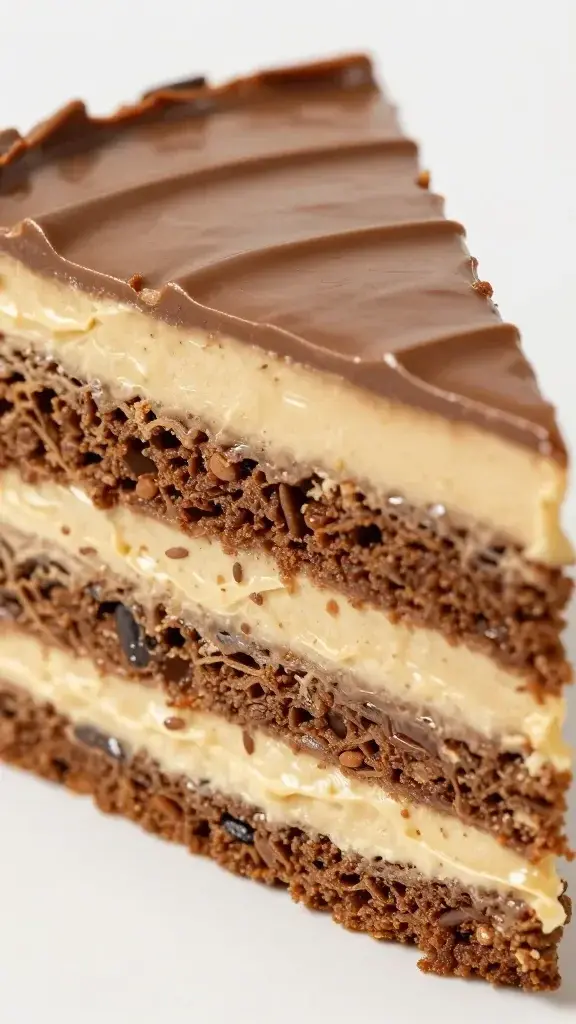
If you’re thinking, “I could totally pull this off,” here are some practical hacks.
- Keep thin slices: the sponge must stay light; thick layers crush the finesse.
- Use an offset spatula for neat edges—presentation matters as much as taste.
- Don’t drown the layers in syrup; a little goes a long way to keep it moist.
- Glaze the top only after the cake has firmed up in the fridge—no drips on your white blouse, promise.
Flavor twists and personal spins
Opera cake is a classic, but it’s surprisingly versatile. Want to make it your own without losing its soul? Here are some tasteful twists.
Not a coffee fan? Try tea or liqueur
– Earl Grey or matcha sponge with vanilla buttercream gives a softer, floral note.
– A dash of almond liqueur or orange curaçao can brighten the whole profile without clobbering it with sweetness.
Chocolate variations for the ganache lovers
– A darker chocolate ganache deepens the finish for a more adult, intense bite.
– White chocolate ganache creates a contrasting, sweeter finale that’s dreamily different.
Texture and technique: what you’re actually tasting
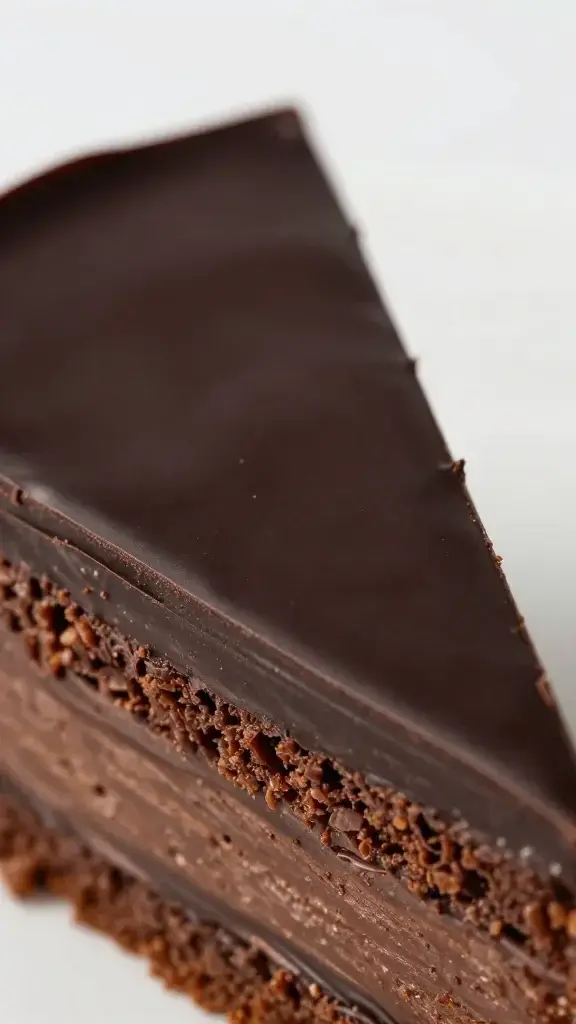
Opera cake is a sermon on texture: crisp edge, silky middle, and a glossy finish that makes you swoon before your first bite.
– The joconde gives a delicate chew that doesn’t take over.
– The coffee buttercream glides, coating the palate with a warm, comforting hug.
– The ganache snaps slightly when you bite, then dissolves into a velvet finish.
If you’re chasing that “wow” moment, you’ll find it in the balance. Too much of one element and the cake tips from elegant to one-note. Opera cake thrives on restraint.
Pairings and serving notes
How you serve the Opera cake can elevate or deflate the experience.
– Serve slightly chilled to keep the layers tidy and the flavors bright.
– Pair with a dessert wine like a vin santo or a small glass of espresso if you want to lean into the coffee notes.
– A light almond biscuit on the side can echo the sponge and add a fun crunch against the creamy layers.
FAQ
Is Opera cake difficult to make at home?
Opera cake is a bit finicky because it relies on thin, even layers and precise timing. It’s not impossible, though. With patience, a good recipe, and a calm kitchen, you can pull off a beautiful version.
How should I store an Opera cake?
Store it in the fridge, tightly covered, for up to 3 days. The longer it sits, the more the flavors mingle, which some people adore. If you like it ultra-clean, eat it within 24 hours.
Can I freeze Opera cake?
Yes, you can freeze it in slices, wrapped well. Thaw slowly in the fridge to preserve texture. The sponge may perk up a bit after freezing, but the flavors stay intact.
What’s the best way to slice Opera cake?
Chill the cake well, then slice with a sharp, warm knife. Clean the blade between cuts for neat, gallery-worthy slices.
Can I adapt the flavor without losing structure?
Absolutely. You can swap in different creams and still keep the layering idea intact. Just keep the ratios: flexible fillings, stable sponge, and a glossy ganache top to unify everything.
Conclusion
Opera cake is proof that dessert can be both art and comfort. It looks like a showpiece and tastes like a well-kept secret you want to confide to your closest friends. It’s delicate enough to feel special, but forgiving enough for a home kitchen with a little patience. IMO, the best thing about Opera cake is that it invites you to slow down, savor the moment, and appreciate how simple, high-quality elements—almond sponge, coffee, and chocolate—can come together to create something unforgettable. FYI, once you taste it, you’ll be thinking about your next slice before you’ve even finished the first.