
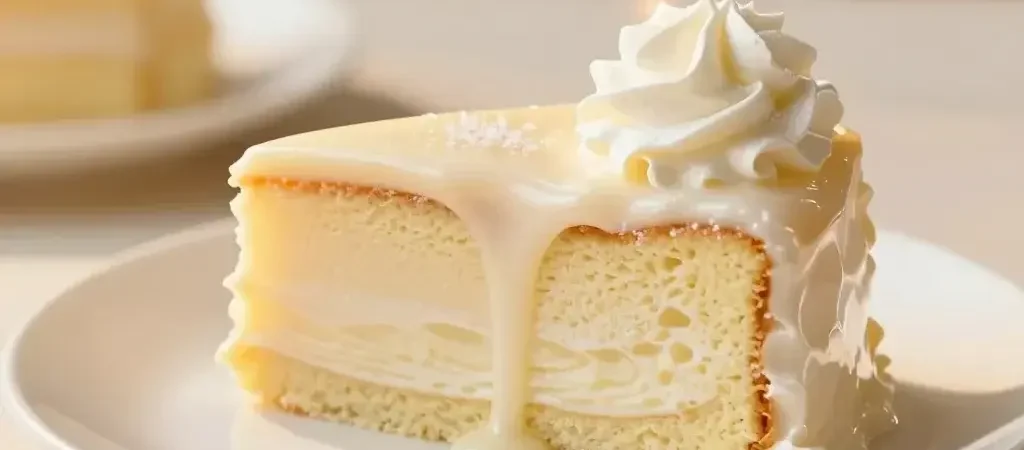
From the first bite, you’ll swear you’re tasting clouds soaked in sweet milk. Tres Leches Cake so soft it literally melts in your mouth isn’t just a dessert—it’s a mood. If you’ve ever wondered how to get that dreamy, oozy texture without turning the kitchen into a dairy disaster, you’re in the right place. Let’s dive into the gooey goodness and keep the crumbs to a minimum.
What makes a tres leches cake so decadently soft?
If you’ve had a slice that felt almost shy about existing, you’ve met the right kind of cake. The magic lies in the milk bath: the sponge soaks up three milks (that’s where the “tres leches” comes from) and remains tender long after the knife has dotted the plate with tiny white flags of powdered sugar. The secret isn’t just the ingredients—it’s the ratio, the timing, and the gentle touch.
– The sponge: A feather-light base, often using a fan of whisked egg whites for lift.
– The milks: usually whole milk, condensed milk, and evaporated milk. Some folks go rogue with coconut milk or cream for extra luxury.
– The soak: slow and patient. No dunking frenzy—think a leisurely rain shower rather than a desert sprint.
– The finish: whipped cream on top adds that cool, pillowy contrast.
BTW, if you’ve heard people complain about a soggy cake, they probably jumped the soak. It’s a delicate balance, my friends.
The bake-taste-test: how to nail the texture
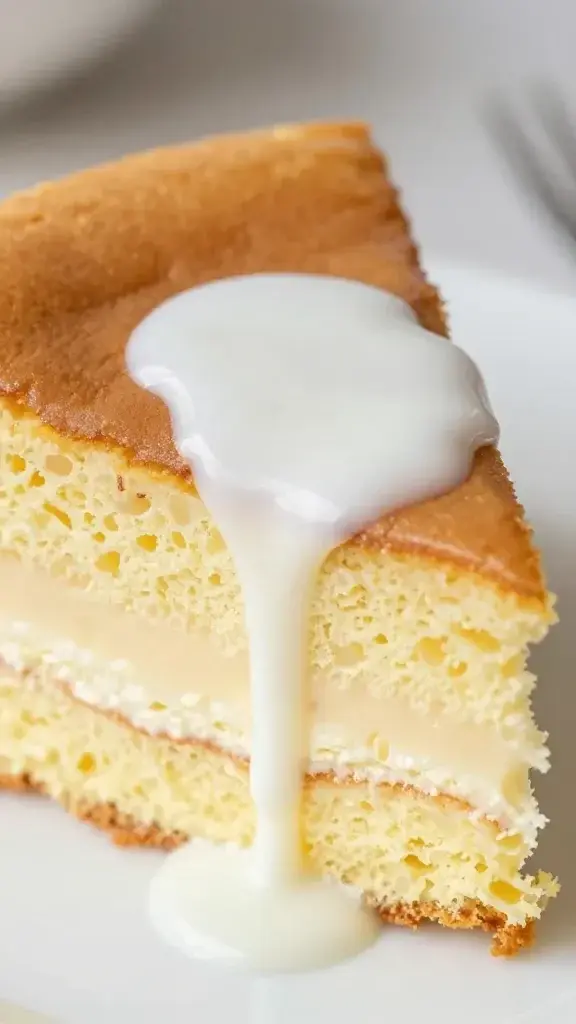
You want a cake that holds together enough to slice, but dissolves on your tongue. Here’s how to aim for that literal melt-in-your-mouth vibe.
– Temperature matters: slightly warm or room temp is ideal. Cold can make the milk soak feel stiff and the sponge a touch rubbery.
– Egg whites vs. yolks: folding in stiffly beaten whites gives lift without toughness. The air pockets are your friends.
– Flour choice: a light cake flour yields a softer crumb than all-purpose. Don’t skip the sift; you’re building clouds here.
– Soak time: give it at least 30 minutes to absorb, up to a few hours if you’re patient and you’ve planned ahead. Overnight is not a terrible idea for deeper flavor.
Want a quick pro tip? Poke tiny holes all over the cooled cake with a skewer before you pour the milks. The little channels act like tiny highways to transport the soaking goodness through the crumb.
Classic vs. playful twists: what’s your tres leches vibe?
The classic version is a vanilla dream drenched in three milks, crowned with whipped cream. But you’re not tied to tradition—this cake is a playground.
Classic vanilla tres leches
– Flavor base: vanilla sponge that tastes like sunshine.
– Milks: whole milk, sweetened condensed milk, evaporated milk.
– Finish: light whipped cream, maybe a dusting of cinnamon or a few strawberry halves for color pop.
Chocolate tres leches: yes, it exists
– Sponge: cocoa-infused or a plain base with a hint of espresso.
– Milks: same trio, with a splash of cinnamon for warmth.
– Finish: chocolate shavings or a cocoa-dusted top. FYI, this one will feel like a cozy hug in dessert form.
Coconut dream tres leches
– Milks swapped for coconut milk and a splash of coconut cream.
– Finish: toasted shredded coconut and a lime zest note—mmm, tropical vibes without leaving your kitchen.
Step-by-step: how to build a cake that melts, not sinks
Here’s a practical, friend-to-friend guide to achieving that melt-in-your-mouth moment.
1) Preheat and prepare
– Preheat to 350°F (175°C). Grease and line a sheet pan or cake tin. Don’t skip the line—you want easy release.
2) Whisk with purpose
– Separate eggs? Yes, please. Beat yolks with sugar until pale and fluffy. Whip whites to stiff peaks and fold in carefully.
3) The batter setup
– Gently fold dry ingredients into the yolk mixture, then fold in whipped whites. The goal is lightness, not a wall of gluten.
4) Bake and cool
– Bake until a skewer comes out clean. Let the cake cool completely before the soak. If you rush, you’ll trap steam and ruin the crumble.
5) The milk bath
– Mix the milks with vanilla and a pinch of salt. Poke holes all over the cake, then pour the mixture slowly, letting the cake drink it up.
6) Chill and crown
– Refrigerate for at least 2 hours (longer is better). Top with lightly sweetened whipped cream and a dusting of cinnamon or fruit.
What happens if you oversoak or undersoak?
Oversoak can lead to a gluey, soggy mess. Undersoak leaves you with a dry sponge that pretends to be a cake but is really a biscuit in disguise. The trick is to observe the sponge and feel the absorption.
– Oversoak signs: the cake sinks, looks mushy, and the top becomes heavy with liquid.
– Undersoak signs: the top looks glossy and wet but the interior remains crumbly and dry.
– Fixes: if it’s a bit dry, a gentle drizzle of the milk mixture and a longer chill can help. If it’s too soggy, a light bake for a few minutes can help set the crumb.
Serving ideas that elevate the experience
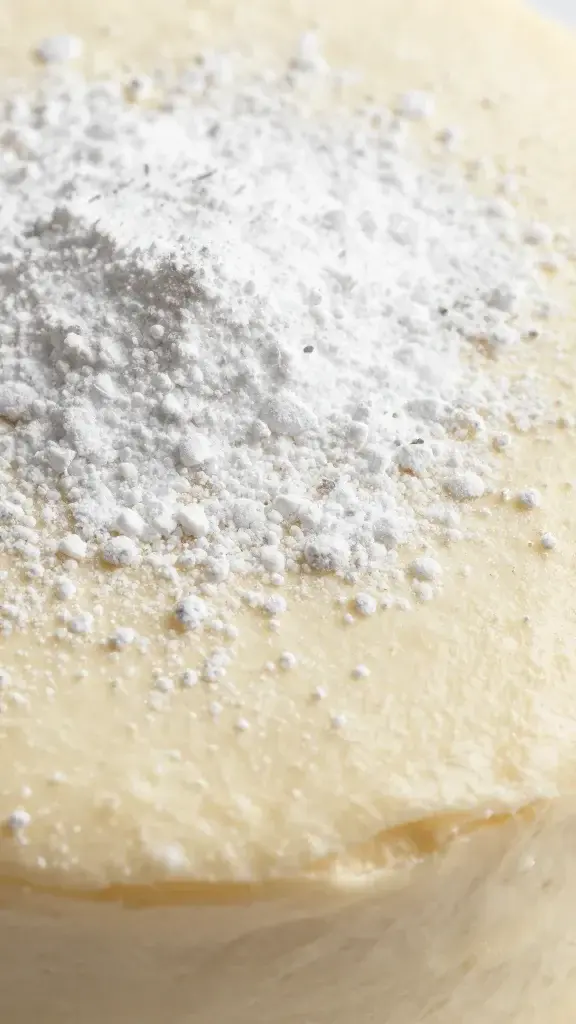
Tres leches isn’t one-note. It loves a little theater and a few textures.
– Fresh fruit: berries, mango, or passion fruit add acidity that counterbalances all the dairy.
– Crunch factor: toasted nuts or a sprinkle of crushed wafer cookies give a cheeky contrast.
– Light toppings: a dollop of whipped cream with a citrus zest twist feels fancy without trying too hard.
– Serving vibes: serve in small wedges for a classy, shareable moment. And yes, a cold glass of milk or coffee makes the experience even better.
FAQ
Is tres leches cake supposed to be soggy?
Yes, the cake should be moist and tender, but not soggy to the point of collapsing. The sweet spot is a cake that’s saturated enough to melt on your tongue without losing structure.
Can I make tres leches cake ahead of time?
Absolutely. In fact, it benefits from sitting in the fridge after soaking. Make the cake, soak it, cover it, and refrigerate for up to 24 hours. It tastes better when the flavors have had a chance to mingle.
What’s the best milk ratio for a melt-worthy texture?
A common, reliable mix is 1 cup whole milk, 1 cup sweetened condensed milk, and 1 cup evaporated milk for a standard 9×13 cake. You can adjust to taste, but keep the total liquid generous enough to soak the sponge without turning it into soup.
Do I need to add flavor beyond vanilla?
Not always. Vanilla is classic for a reason. If you want more depth, a splash of almond or a hint of citrus zest in the milk bath can brighten the whole thing.
How do I prevent the cake from cracking during slicing?
Let the cake come to room temperature after chilling, then cut with a warm knife. A quick rinse under hot water, wipe dry, and slice helps keep clean edges.
Conclusion
Tres Leches Cake so soft it literally melts in your mouth is less a recipe and more a joy machine. It’s about balance, patience, and not sweating the small stuff—like waiting the extra hour for the soak to do its thing. If you’ve got a soft spot (literally) for dairy-laden desserts, you’ll love how this cake dissolves into happiness with every bite. So go on—grab a fork, invite a friend, and let the melt begin. FYI, you’re about to become the resident tres leches expert in your circle. Enjoy the ride.